Well, he didn't finish her off, although he could have: How a German court reduced a migrant's sentence for attacking a teacher (4 photos)
A new scandal has erupted in Germany over the court ruling on a brutal knife attack in the small town of Kirchheim unter Teck near Stuttgart. 
The incident occurred on March 14, 2025, during the day on a street in a residential area. A 29-year-old Afghan migrant, who had not previously known the victim, approached the 27-year-old teacher (some sources say she was a kindergarten teacher) from behind, grabbed her around the neck with one hand, and stabbed her six times with a knife with a 9.5 cm blade: four times in the back and twice in the thigh. Just for fun.
The woman began screaming loudly, after which the attacker released her and fled the scene. Thanks to prompt medical attention, the victim survived: she spent several days in the hospital, but suffered serious physical injuries and long-term psychological trauma. The attacker was later arrested – his DNA matched samples from the knife and the victim's clothing after he was arrested in connection with another case (bank break-ins in the same city; the guy was having fun).
He arrived in Europe in 2018, lived in several countries, received social benefits in Germany, and had no education or professional qualifications. 
In early December 2025, the Stuttgart Regional Court sentenced him to six years' imprisonment for grievous bodily harm (§ 226 StGB), plus an additional term for theft. The charge of attempted murder (§ 211/212 in conjunction with § 22 StGB) was dropped. 
The court applied Section 24 of the German Criminal Code, which stipulates "voluntary abandonment of a crime" (freiwilliger Rücktritt): since the perpetrator stopped after the victim's screams and left without inflicting additional blows, this was considered an abandonment of the murderous intent. 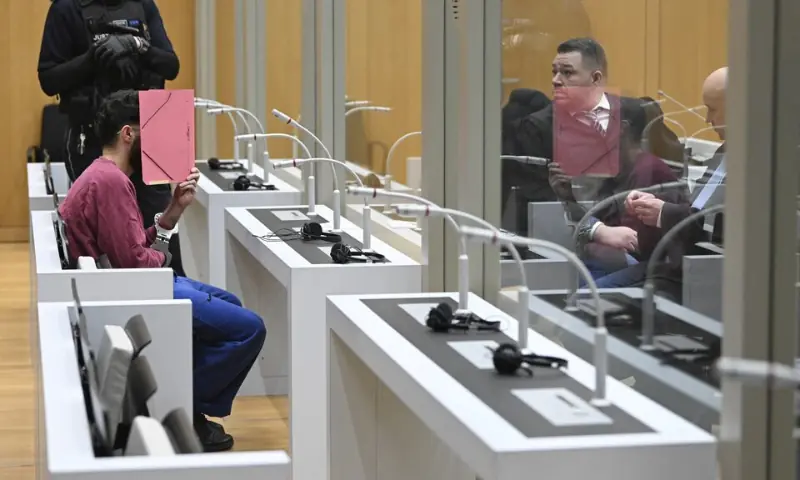
Under German law, the victim does not need active assistance for this provision to apply. It is sufficient for the attacker to voluntarily cease the attack, without considering the crime already completed.
This court ruling has sparked widespread criticism in the media and the public: many consider it too lenient for a random and brutal attack, raising questions about the application of the doctrine of voluntary abandonment in such cases and the balance between legal precision and public perception of justice.