'Emmanuelle' and the 1970s Mainstream Erotica Phenomenon: Why the Film Became a Cultural Landmark (13 photos)
In the summer of 1974, Paris cinemas witnessed something unprecedented. Ticket queues for
Emmanuelle
stretched all the way down the Champs-Élysées—a sight not seen since the silent film era. Made on a modest budget of $500,000, the movie went on to gross $100 million and earn a place in the Guinness World Records. Behind the camera was a fashion photographer who had never directed a film in his life. And starring in the lead role was a 21-year-old Dutch model who drank champagne before every explicit scene. 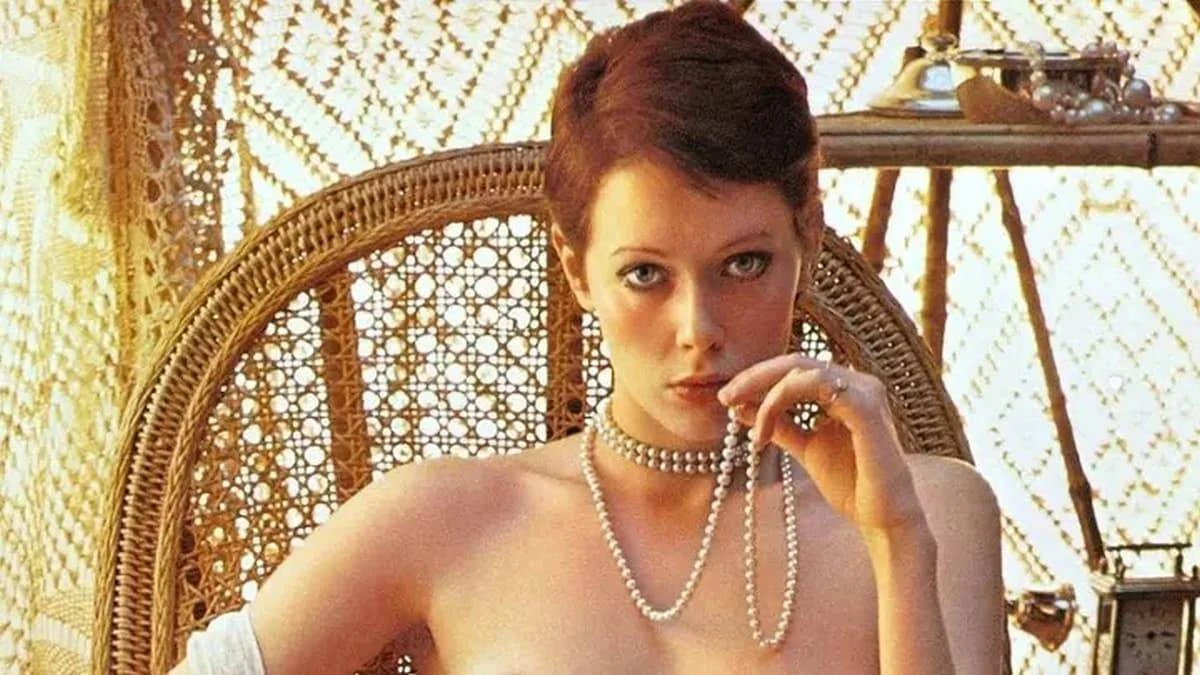
Records That Have Never Been Broken
With a budget of just $500,000,
Emmanuelle
grossed roughly $100 million worldwide, making it one of the most profitable films in cinema history. In Paris alone, 126,000 people bought tickets during its opening week. Theaters were so desperate for prints that couriers rushed film reels across the city on motorcycles. The moment a screening ended, the canister was snatched from the projectionist's hands and whisked away to the next auditorium, where audiences were already seated and waiting. 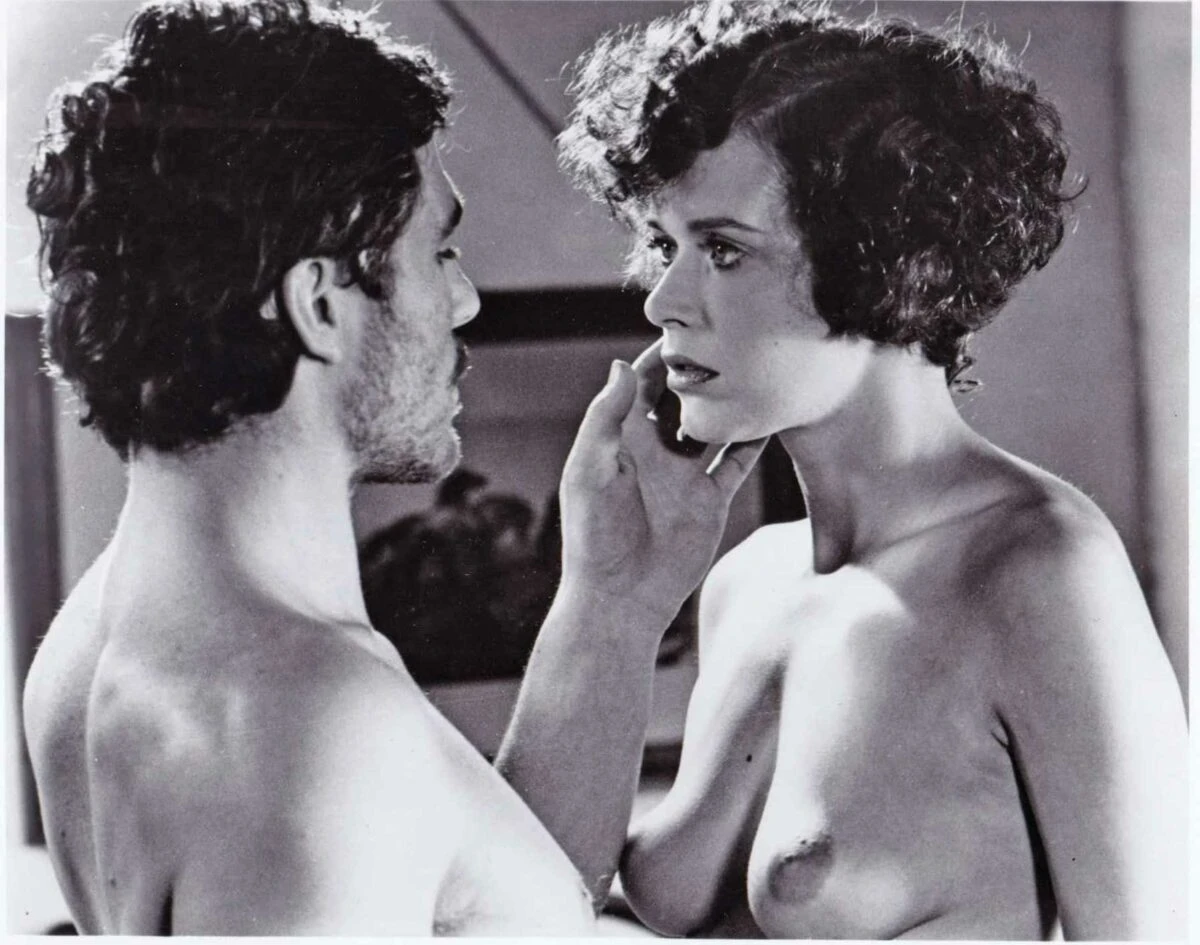
Alain Cuny and Sylvia Kristel on the set of the film, Thailand, 1973–1974.
One cinema on the Champs-Élysées—the Arc de Triomphe—ran
Emmanuelle
continuously for 13 straight years, from 1974 to 1985. This set a Guinness World Record for the longest uninterrupted theatrical run in film history. The movie drew 8.89 million ticket buyers in France alone, with its global theatrical audience estimated at 300 million viewers. 
Movie marquee above the entrance of a Paris cinema, 1974.
For context, Bernardo Bertolucci’s
Last Tango in Paris
(1972)—made for $1 million—grossed $96 million and earned two Academy Award nominations. Hollywood realized that mainstream audiences were ready for sexually explicit films in regular theaters, paving the way for
Emmanuelle
.
A Photographer Behind the Movie Camera
Emmanuelle
was directed by Just Jaeckin, a prominent Paris fashion photographer making his feature film debut. Unburdened by traditional filmmaking rules, Jaeckin possessed a masterly command of lighting and composition, which ultimately defined the film’s distinctive visual style. 
Official French film poster. The iconic image of Kristel in a peacock chair hung on the Champs-Élysées for 13 years.
Jaeckin shot
Emmanuelle
like a high-end glossy magazine brought to life: soft focus, meticulously crafted lighting, and elegant framing. There was no theatrical contrivance or gritty documentary realism. The exotic backdrop of Bangkok, crisp white linens, and languid panning shots evoked the aesthetic of
Vogue
rather than a conventional adult film. Critics would later cite Jaeckin’s lack of formal cinematic training as the film's greatest asset. 
A still from the film. Soft focus and painterly lighting became photographer Just Jaeckin's signature style.
Filming took place between December 1973 and February 1974, wrapping in just eight weeks. Location shots were filmed in Thailand, while interior scenes were shot in Paris.
Sylvia Kristel: The Reluctant Icon
Casting the lead proved harder than shooting the movie itself. Established actresses turned down the role one after another—some refused to appear in explicit scenes, while others doubted a first-time director could pull it off. Producers searched for months. 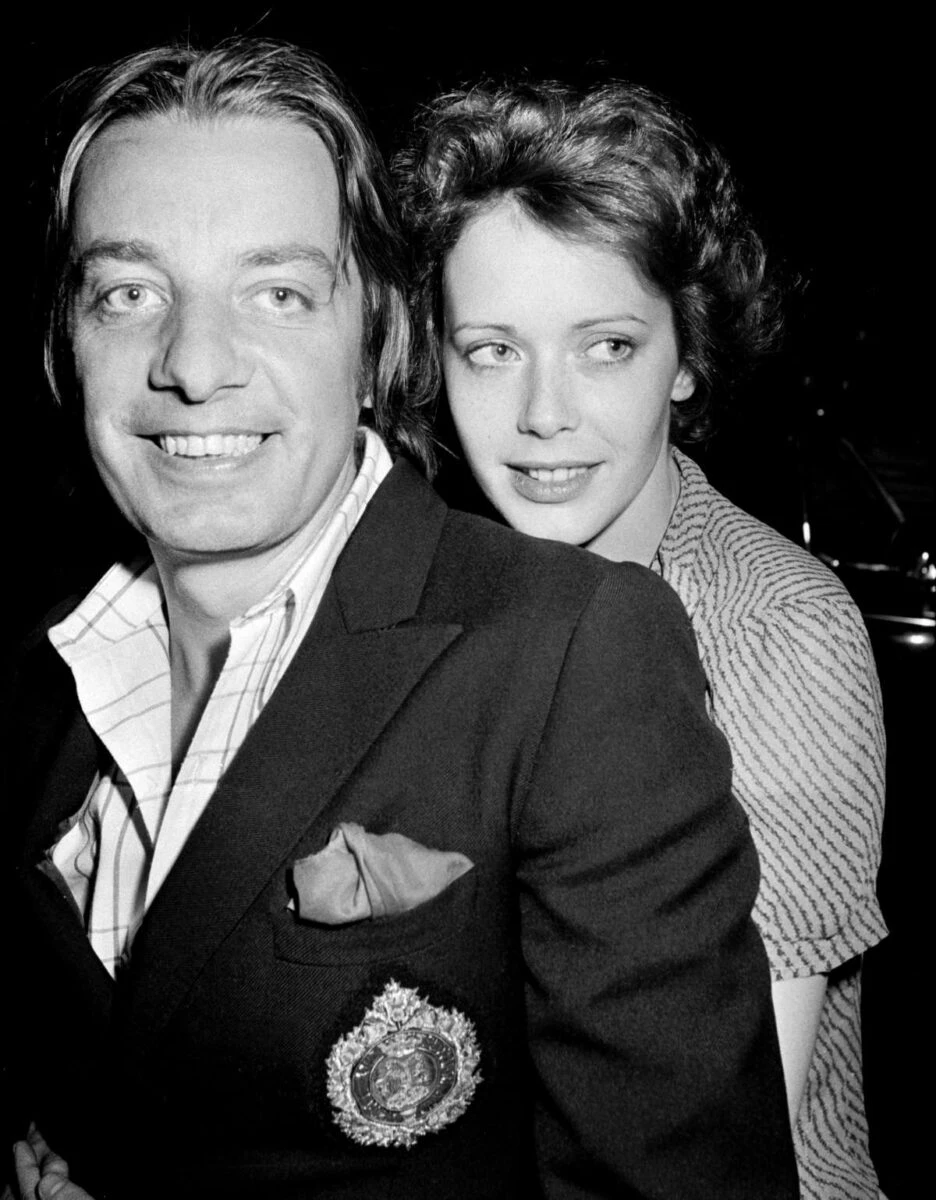
Director Just Jaeckin and actress Sylvia Kristel. Jaeckin discovered her by chance after Kristel ended up at the audition by mistake.
The part eventually went to 21-year-old Dutch model Sylvia Kristel. In January 1973, she had won the "Miss TV Europe" contest—judged by Rolf Harris and Peter Wyngarde. She stumbled into the audition by accident and immediately captivated Jaeckin with her bold attitude. On set, however, it was a different story: Kristel drank a glass of champagne before every intimate scene to overcome her nerves. 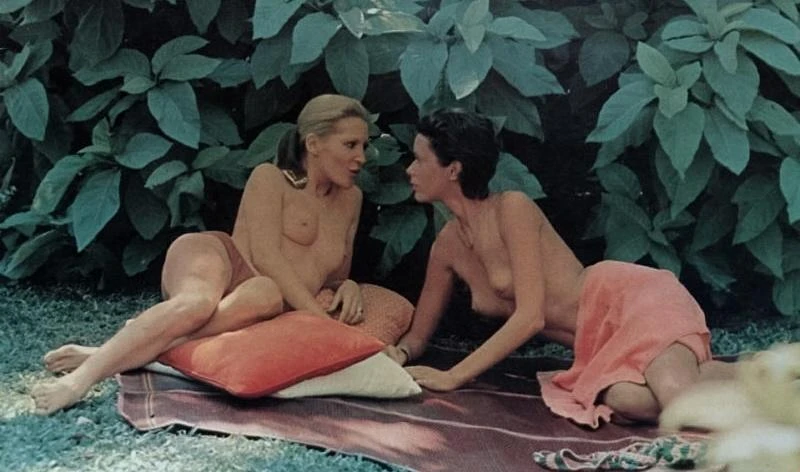
A still from the film. Shot on location in Thailand, the stifling heat and exotic surroundings added to the film's intense atmosphere.
Kristel was paid just $6,000 for
Emmanuelle
—a modest sum for a breakthrough performance that turned her into an international icon overnight. Once the film hit theaters, her life transformed completely, and job offers flooded in. She starred in
The Concorde... Airport '79
,
Lady Chatterley's Lover
, and
Mata Hari
, trying to carve out a career in Hollywood. Yet matching the success of
Emmanuelle
proved impossible, as the screen persona became a golden cage. "They dressed me up, but audiences preferred me naked," she later recalled. 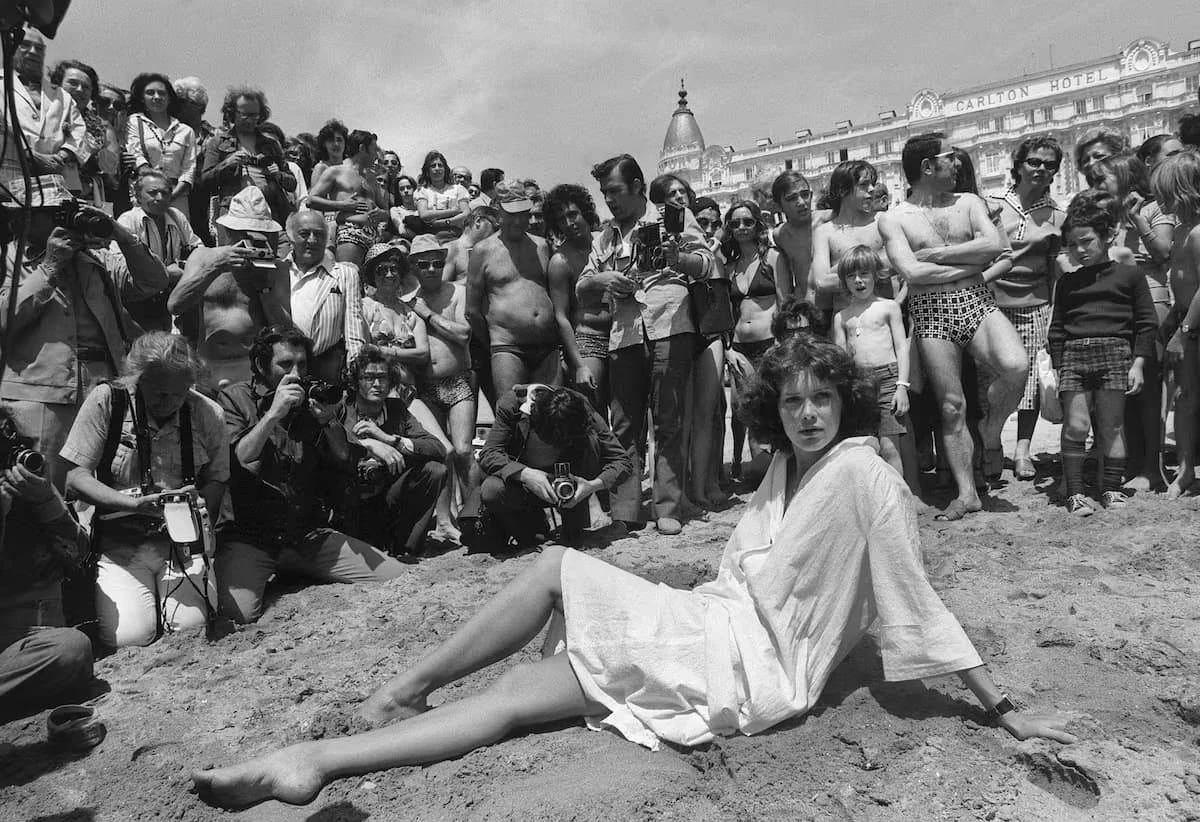
Sylvia Kristel in the 1970s. Wherever she went, crowds of adoring fans followed.
Kristel’s personal life was turbulent and frequently fraught. A volatile relationship with Ian McShane, whom she met on the set of
The Fifth Musketeer
in 1977, spiraled into a four-year period marked by substance abuse and domestic distress. Her husband, producer Philippe Blot, directed her in three consecutive box-office flops, saddling them with crippling debt and forcing them to sell off their assets. Rumors also swirled about an affair with French President Valéry Giscard d'Estaing, though Kristel never publicly confirmed it. She was diagnosed with throat cancer in 2001, which later spread to her lungs. After suffering a stroke in June 2012, Sylvia Kristel passed away in her sleep on October 17, 2012, in her hometown of Utrecht. She was 60 years old.
How Censorship Fuelled the Sensational Hype
The road to release was far from smooth. French President Georges Pompidou banned the film, refusing to grant it a distribution license. Eager French moviegoers traveled to Spain just to catch a screening. 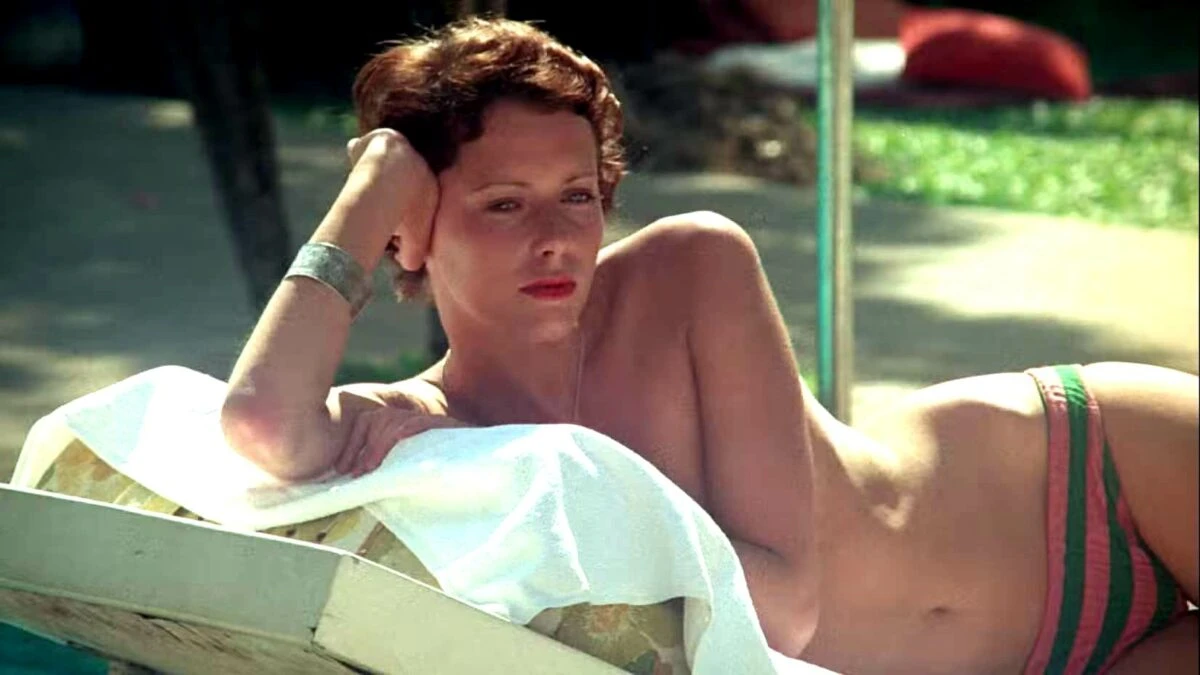
A still from the film. Thailand offered what European cinema lacked: vibrant exoticism and a sense of liberation.
On April 2, 1974, Pompidou passed away. He was succeeded by the liberal Valéry Giscard d'Estaing, who promptly lifted the censorship ban. On June 26, 1974,
Emmanuelle
finally hit French screens. The ban and the controversy leading up to it achieved the opposite effect: audiences rushed to theaters driven by sheer curiosity to see what the government had tried to hide. 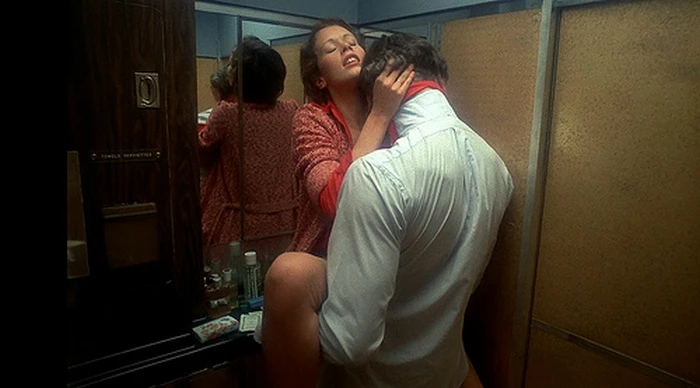
A still from the film. Every intimate scene was framed with meticulous lighting and painterly composition.
In the United States, Columbia Pictures acquired the distribution rights—marking the first time a major Hollywood studio released an X-rated film. Columbia took the gamble after discovering that queues outside European theaters were not just made up of men; women were attending in droves. This female audience changed everything. Producers adopted an unwritten rule: if women were watching, it wasn't pornography—it was art.
Emmanuelle
helped legitimize female sexuality as a mainstream cultural topic. 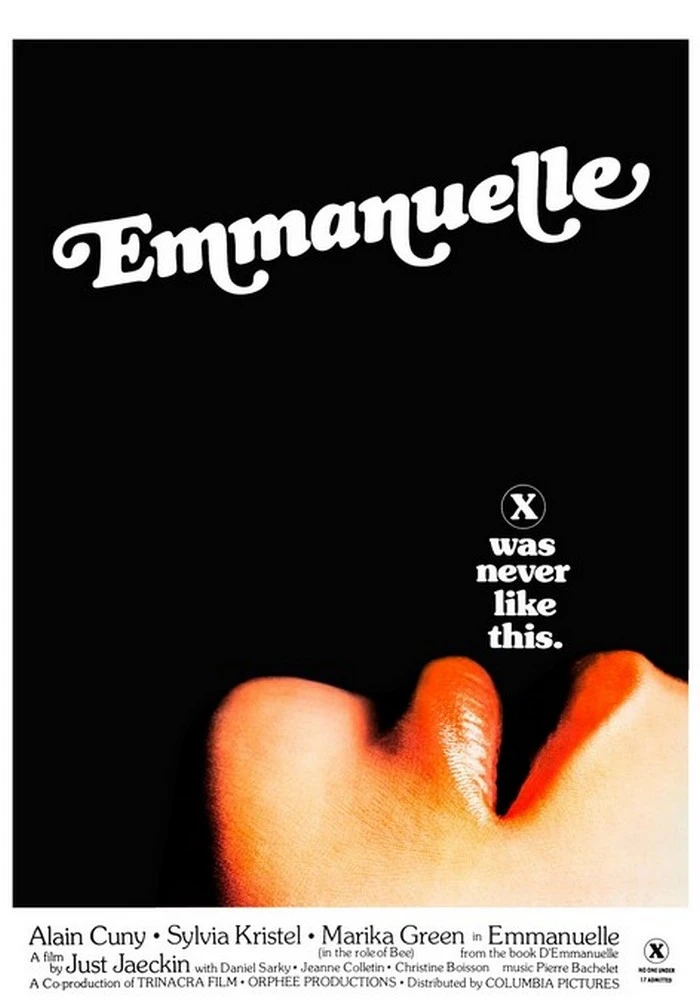
The American poster, deliberately understated. Columbia Pictures marketed the release as an art-house film.
American film critic Roger Ebert wrote in the
Chicago Sun-Times
on January 1, 1975:
"“Emmanuelle” is a silly, stylish, enjoyable erotic movie that has been a record-breaking box-office success in France."
The Legacy: From 'Black Emanuelle' to Naomi Watts
Emmanuelle
spawned an entire cottage industry. The original film led to six official theatrical sequels and seven television films, with Kristel starring in eleven of them. Italian filmmakers capitalized on the phenomenon with the
Black Emanuelle
franchise—spelled with a single "m" to bypass copyright claims. German, Japanese, and American studios quickly produced their own adaptations. In total, more than 50 spin-offs and unofficial sequels were released worldwide. 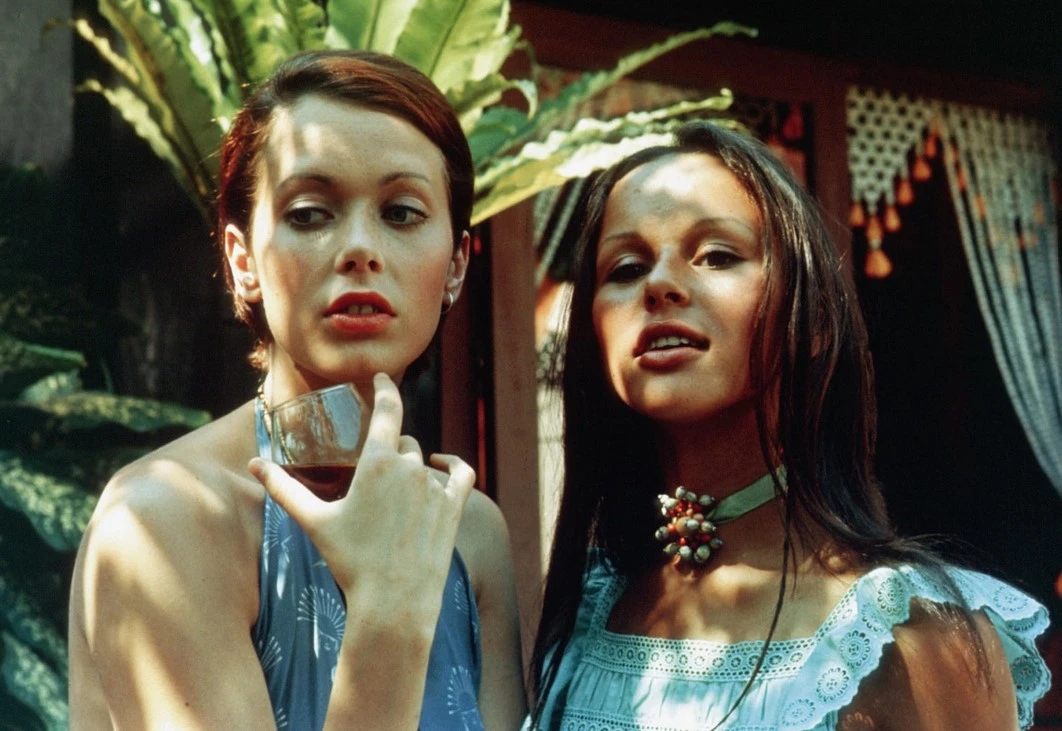
A still from the film. Soft lighting and tropical locations created an aesthetic template copied by dozens of imitators.
The brand endures to this day. A 2024 reboot starred Naomi Watts. Jaeckin's film established a blueprint for an entire genre, proving that provocation could be elegant—and that adult cinema could achieve lasting mainstream success. 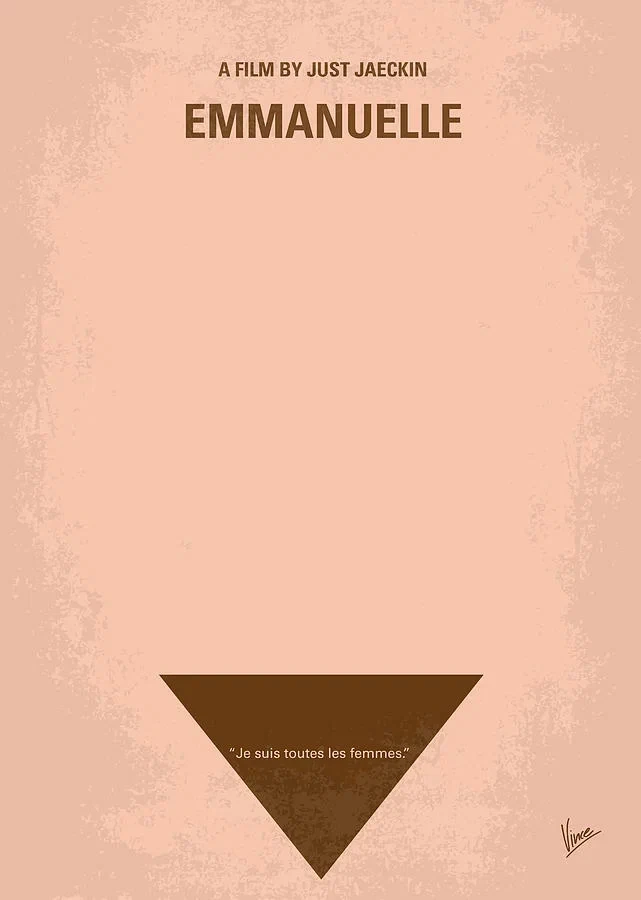
The UK poster, the most restrained of them all. The British Board of Film Censors (BBFC) cut several scenes prior to release.
Could a similar cultural phenomenon happen today, or has the era of cinema that shocks and unites audiences simultaneously been left behind in the 20th century?