How the Residents of an Italian Town Lived Side by Side with Mummies for Centuries (9 Photos)
In the Italian town of Venzone, located in the province of Udine, residents lived alongside mummies for generations. They drank tea with them, shared meals, went to church together, and slept by their side. To the locals, there was nothing unusual about it—it was simply their way of honoring their ancestors and including them in daily life. Read on to discover the story behind this extraordinary tradition. 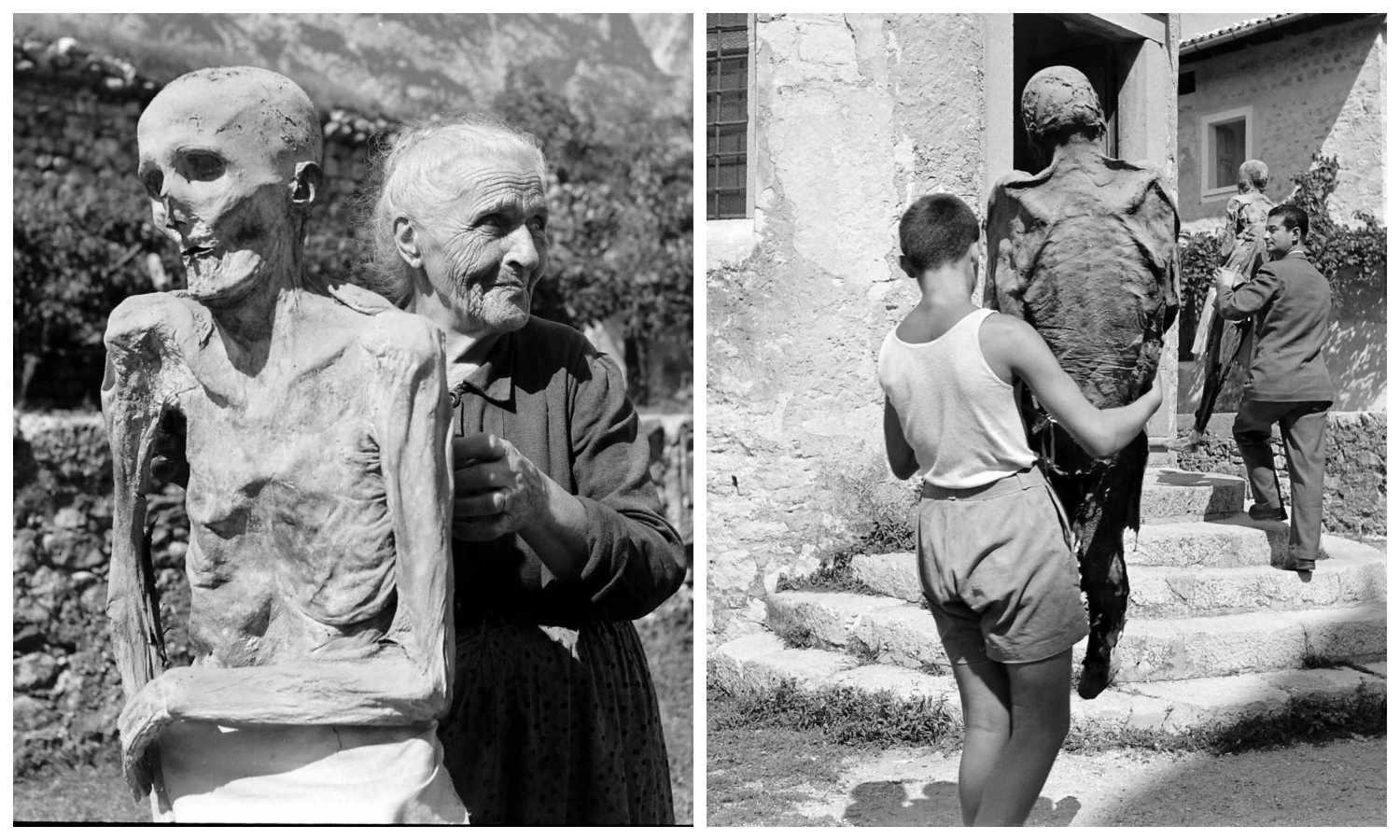
In the 14th century, the Black Death swept across Europe, eventually reaching the village of Venzone. The death toll was so high that the local cemetery ran out of space. In response, villagers placed 42 bodies in coffins and stored them in the crypt of St. Michael's Chapel. 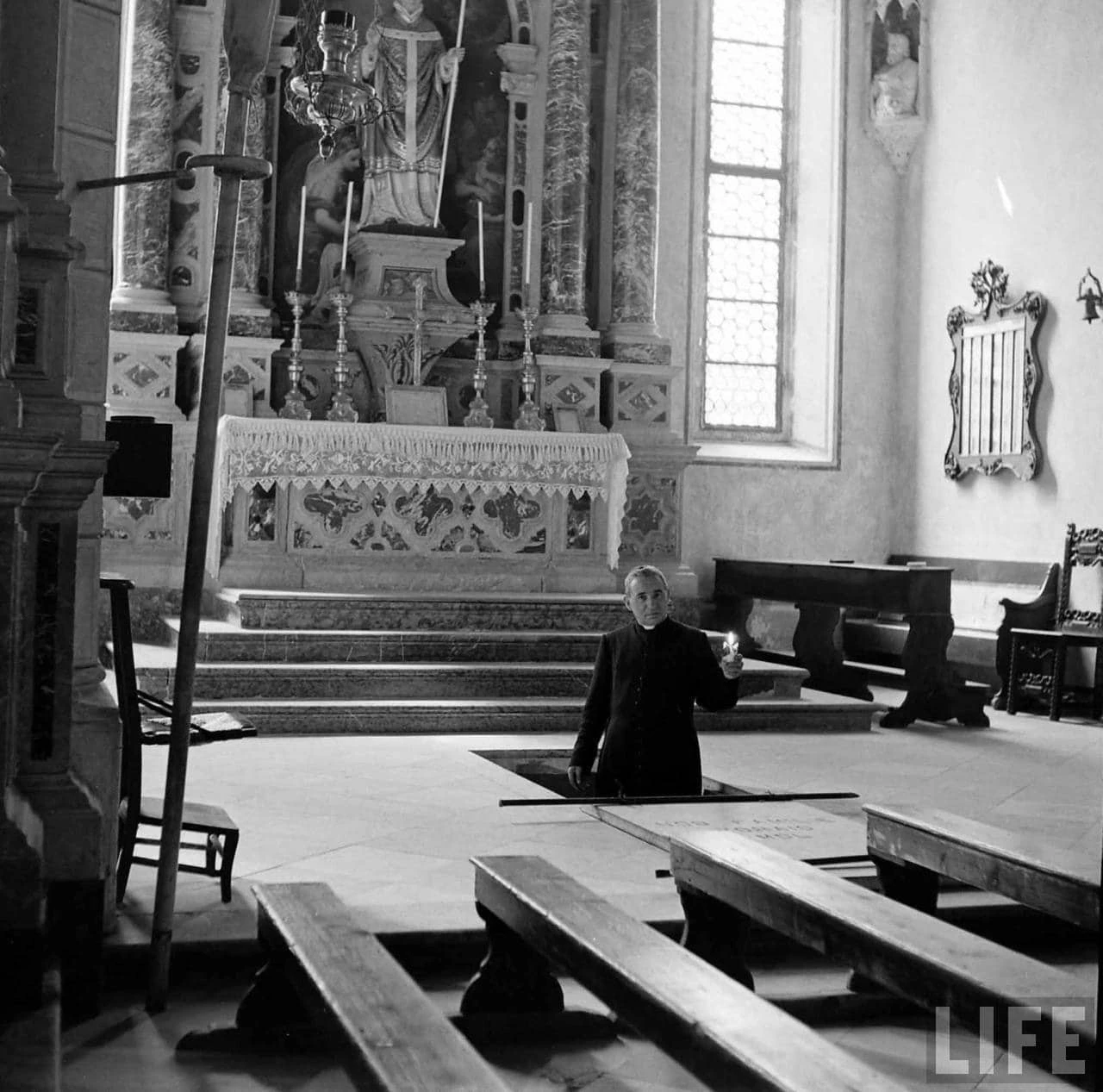
Three centuries later, in 1647, locals decided to restore the aging chapel and brought the coffins up from the cellar. Upon opening them, they discovered that all 42 bodies had naturally mummified. Viewing it as a divine sign, the townspeople believed God had spared their ancestors' remains so they could watch over the village. 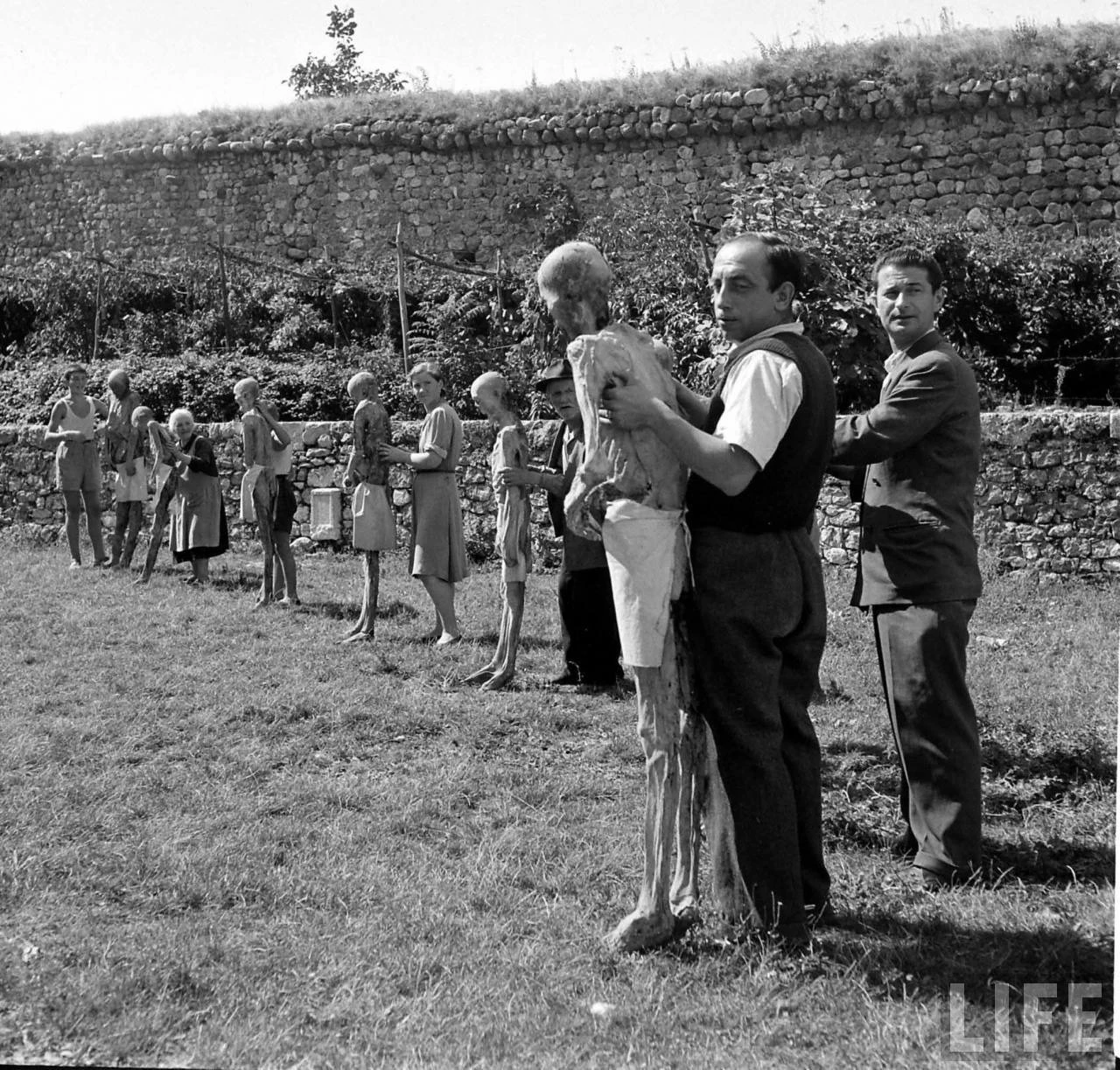
From then on, villagers would turn to the mummies for help during hard times, treating the remains with the same reverence reserved for elders. This tradition persisted until 1950. 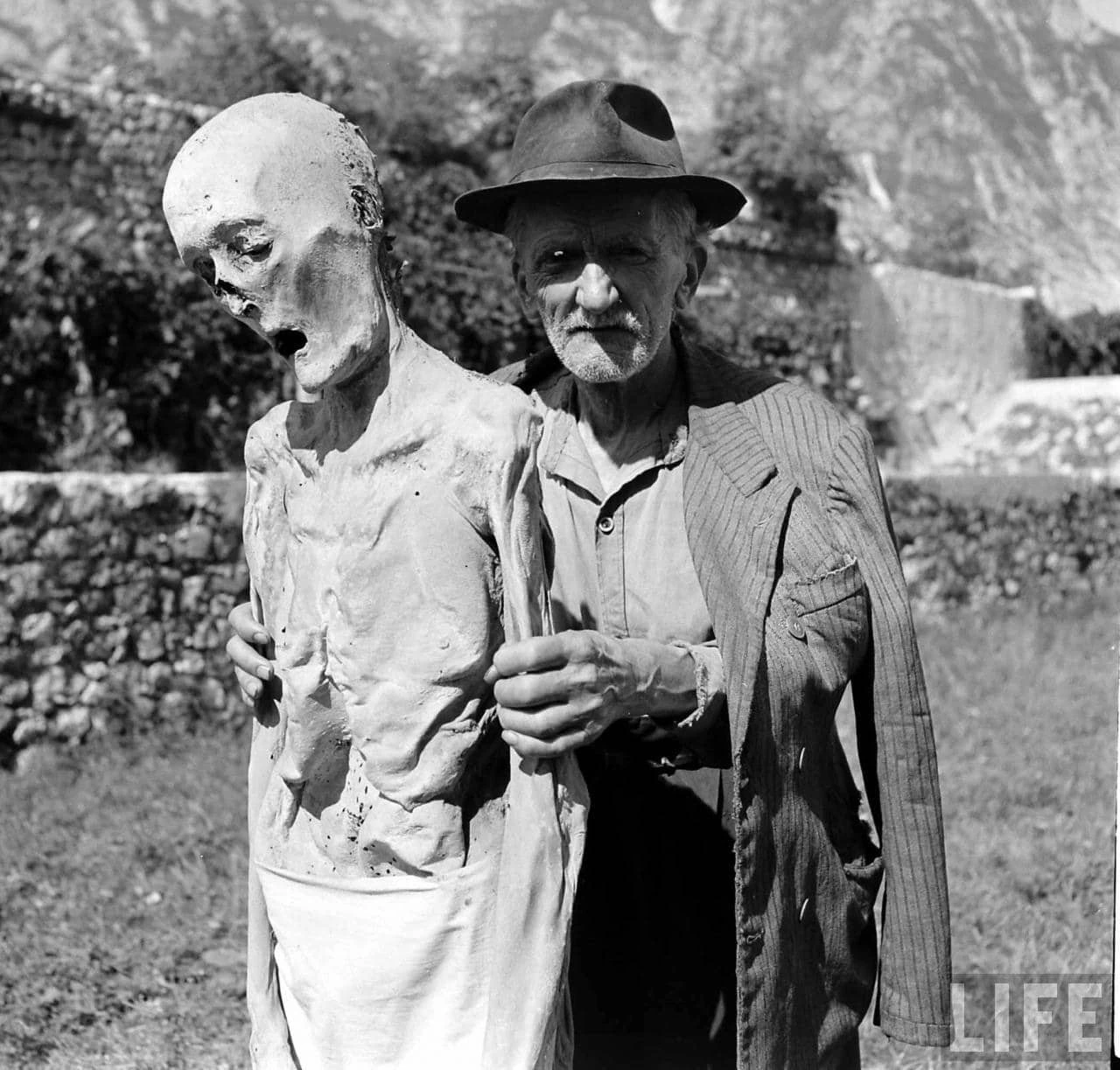
Because Venzone was so isolated, its unusual tradition remained hidden from the outside world for centuries. 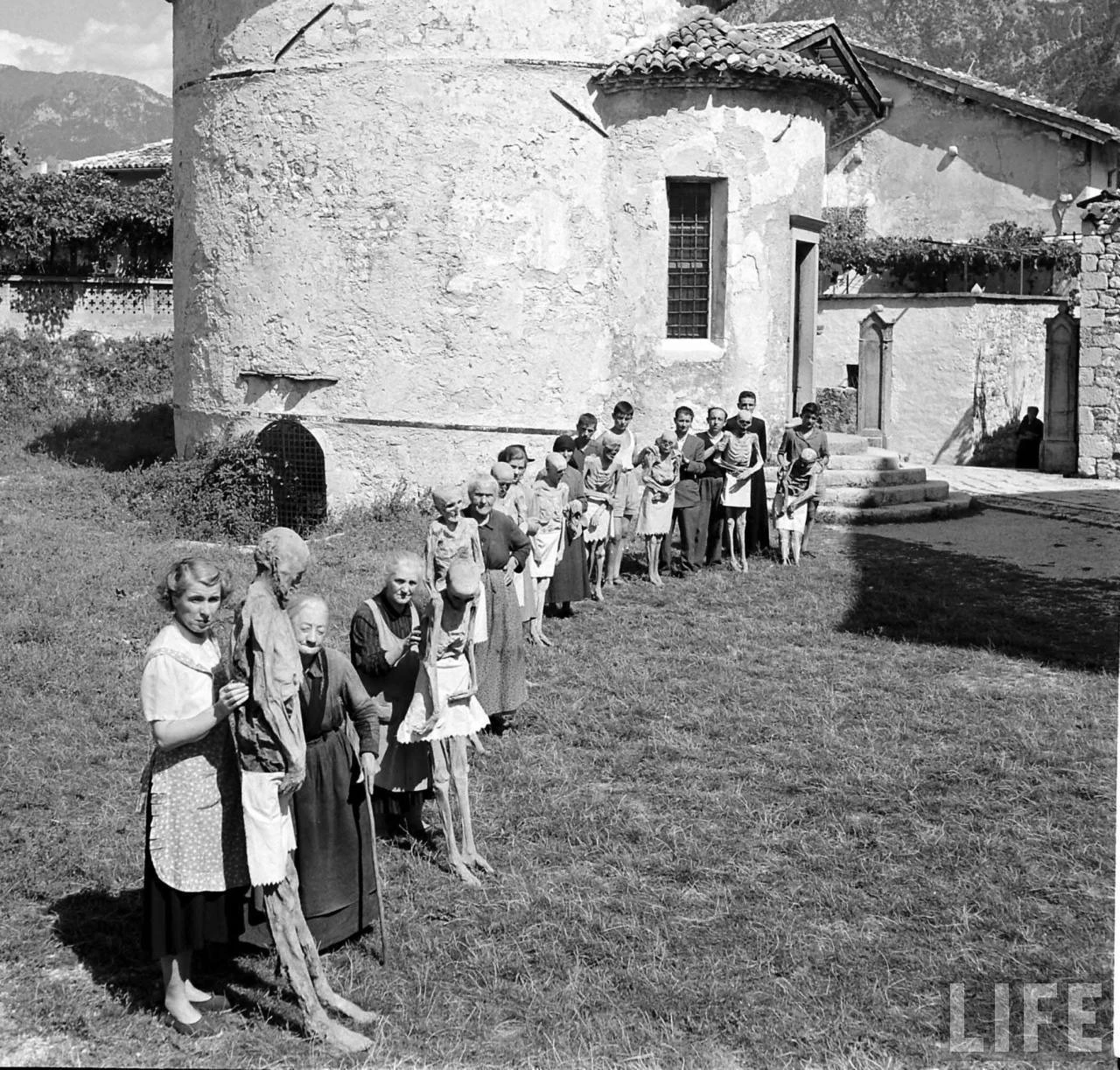
That changed when American photographer Jack Birns lost his way in the Alps while searching for a place to spend the night. Stumbling upon Venzone, he witnessed an astonishing sight: a local family calmly drinking tea alongside a mummy. 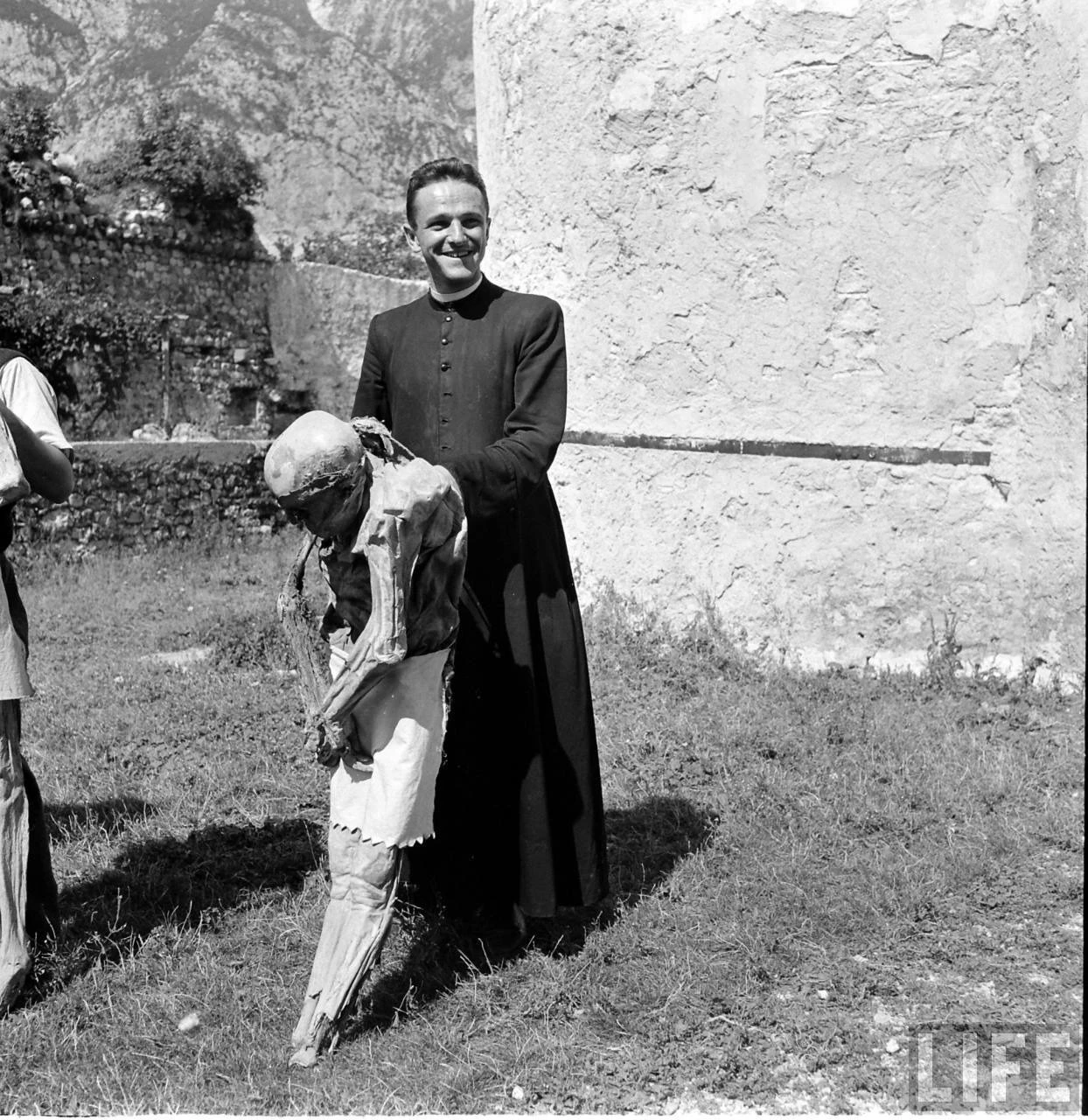
The American photojournalist captured a series of photographs depicting the villagers' daily life alongside the mummies and published them in LIFE magazine. The images quickly captivated audiences around the world. 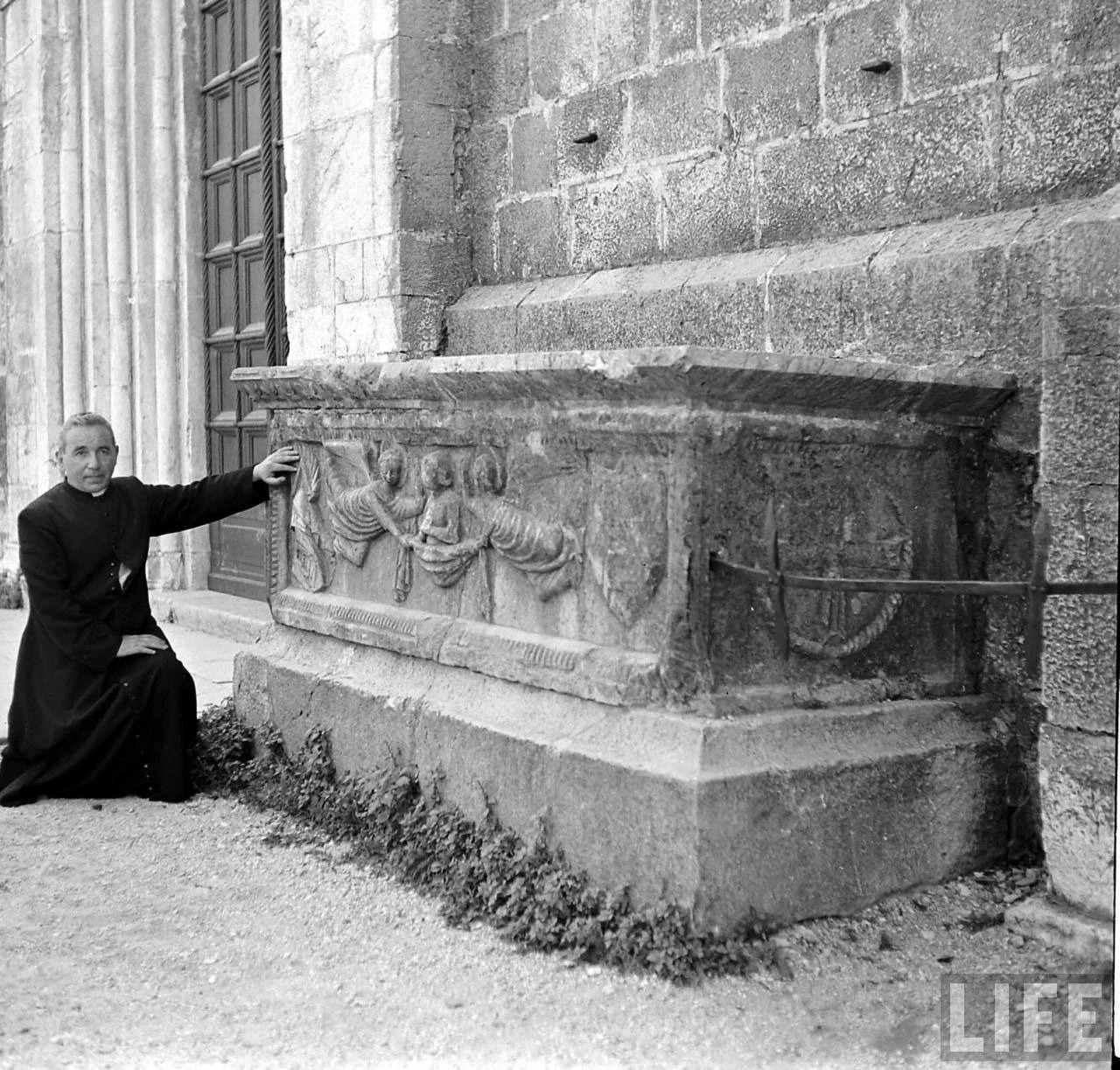
Once the Venzone mummies gained international fame, researchers and the public alike wondered how the bodies had mummified naturally. Typically, mummification requires removing internal organs and embalming the body to prevent decay. In rare instances, natural preservation occurs due to extreme cold or arid climates. 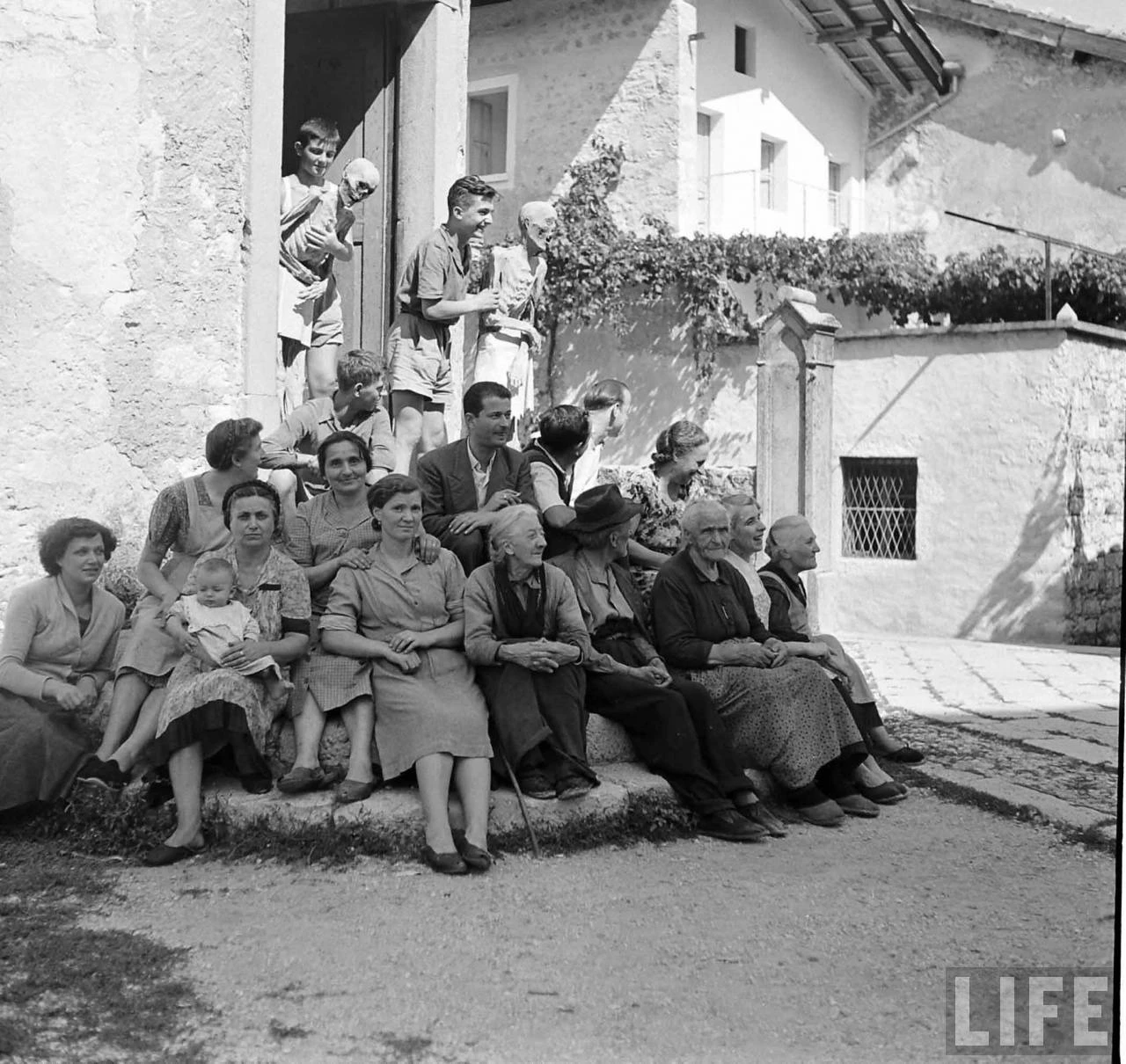
Yet the Venzone mummies were never embalmed and were kept in a damp crypt, yet they remained remarkably well-preserved. Scientists believe a unique species of fungus prevented decomposition, though locals firmly maintained it was a divine miracle. 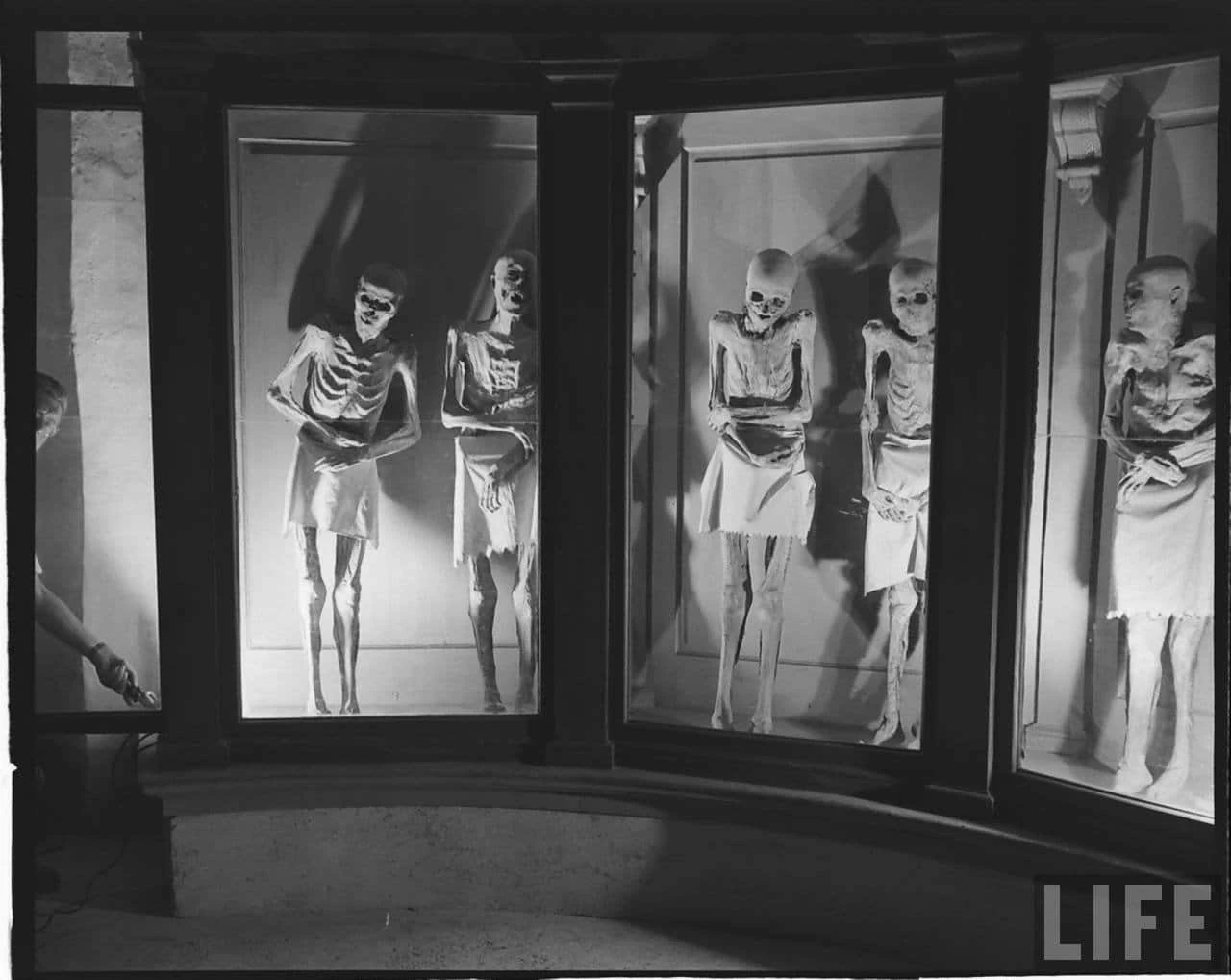
Tragically, after a major earthquake in 1976, only 15 mummies survived. Today, they are housed in the 13th-century Chapel of St. Michael in the cemetery adjoining the Cathedral of St. Andrew the Apostle.
Meanwhile, members of an Indonesian tribe still keep the bodies of deceased relatives in their homes for decades, regularly cleaning them, changing their clothes, and bringing them outside for fresh air.