"The British Pet Massacre": Why 750,000 Cats and Dogs Were Voluntarily Euthanized (6 photos)
Fear, confusion, panic, mass hysteria—all are inevitable companions of war. When newspapers warn of an impending apocalypse and projected casualties run into the millions, staying calm and thinking rationally becomes almost impossible. But what happened in Britain in 1939 defied all reason.
In less than a month, British residents destroyed 750,000 of their own pets. This tragic event went down in history as the "British Pet Massacre." Read on to find out why owners voluntarily put their beloved animals to death. 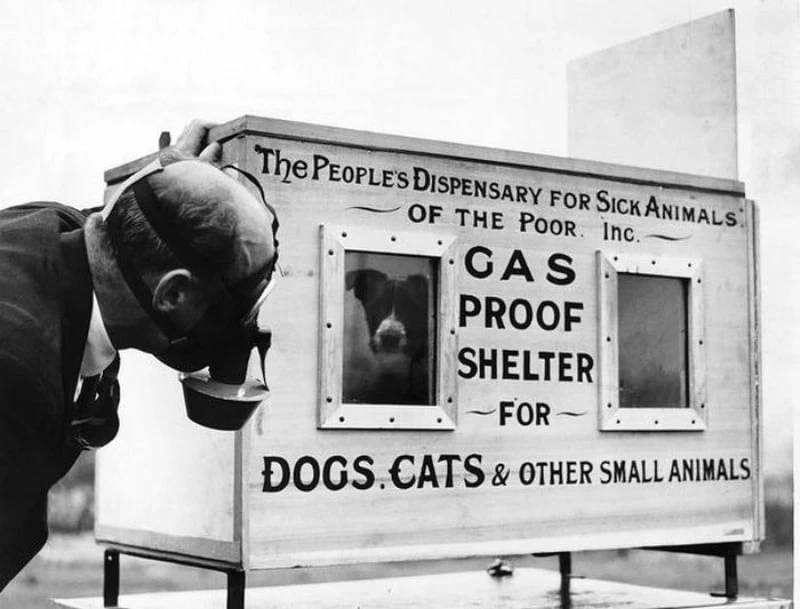
Wearing a gas mask, inventor C. H. Gaunt tests his patented gas-proof pet chamber on a small dog.
In 1939, before the outbreak of war, the British government formed the National Air Raid Precautions Animals Committee (NARPAC). The organization's goal was to handle issues concerning domestic animals. Among other things, they had to decide what to do with cats and dogs once war broke out, as food supplies would naturally be prioritized for human survival. 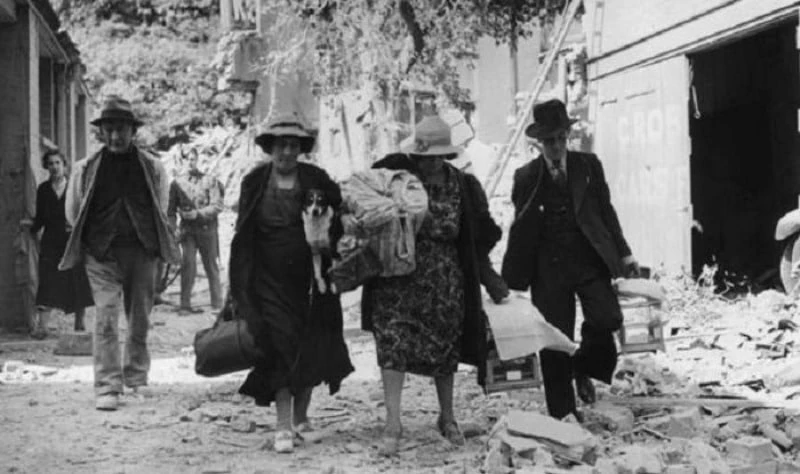
Mrs. Fagg and Miss Horsley carry a dog and canaries after their homes were bombed
Authorities were convinced that food reserves would not be enough for everyone. If people shared their rations with pets, they themselves would suffer from malnutrition. Conversely, if pets were left to scavenge for food, packs of stray animals would roam the streets. The committee faced a grim dilemma: what should be done with the nation's animals?
NARPAC then published a pamphlet advising pet owners to either relocate their animals to the countryside or… have them put down. The pamphlet even outlined the most efficient methods for doing so, noting that a pistol shot was the most humane option. 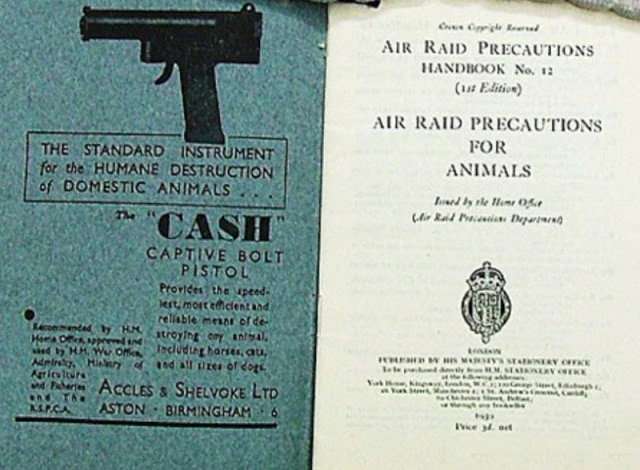
The infamous pamphlet
When hostilities broke out on September 1, 1939, panicked pet owners rushed to veterinary clinics to have their pets euthanized. In just one week, over 400,000 cats and dogs were put to death by their owners. Vet clinics were literally overwhelmed with animal carcasses, forcing authorities to set aside dedicated land for mass burials.
The Times reported that the number of pets brought in to be euthanized was growing by the day. The RSPCA had to hire extra staff and set up night shifts just to handle the massive influx of animals. 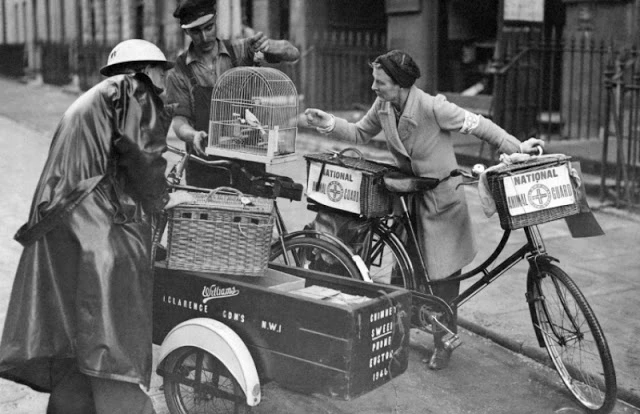
Remarkably, all of this happened voluntarily. At the time, not a single bomb had fallen on British soil. Yet people were terrified by the prospect of starvation, even though the government had never mandated pet euthanasia—it had merely offered recommendations.
When air raids began in September 1940, a second wave of pet culling followed. This time, however, the death toll was significantly lower. Following the initial wave of panic, citizens had written letters to newspapers defending their animals' right to live. They pointed out that cats and dogs were mostly fed scrap meat, bones, and gristle—things humans wouldn't eat anyway. 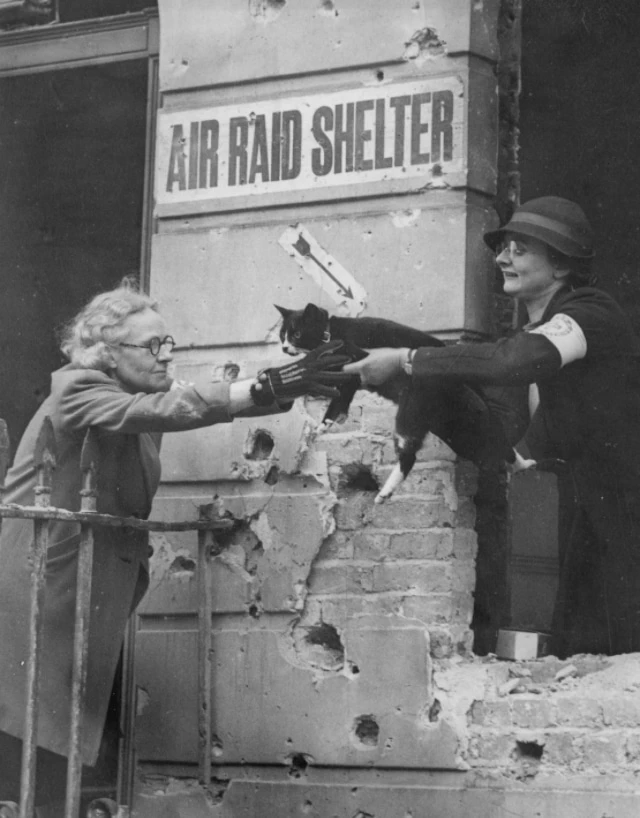
A number of animal welfare groups and individuals fought to save these four-legged companions. They took in animals abandoned by their owners. During the war years, a single British shelter took in 145,000 dogs. Tragically, over 750,000 pets could not be saved and were killed. 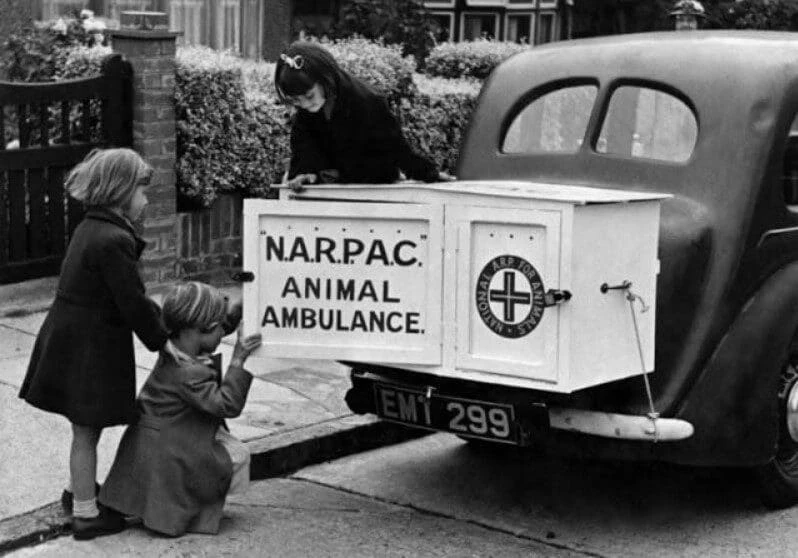
A new type of animal ambulance, consisting of a large container mounted to the back of a car
After the war ended, many pet owners deeply regretted what they had done, blaming government propaganda for inciting mass panic.
Yet the government had never issued any mandatory orders to destroy animals—only guidelines. The final decision had rested entirely with each owner. Overwhelmed by the fear of food and water shortages, people lost their ability to think clearly, convincing themselves that putting down their pets was the right thing to do.