Slavery existed in the British American colonies and the United States from 1619 to 1865. Today, it remains a painful topic for Americans, yet it is undoubtedly a major part of the country's history. Over the decades, many misconceptions have taken root regarding who owned slaves, where they came from, how many there were, and how they lived. Here are a few myths about slavery in the US that historians have debunked. 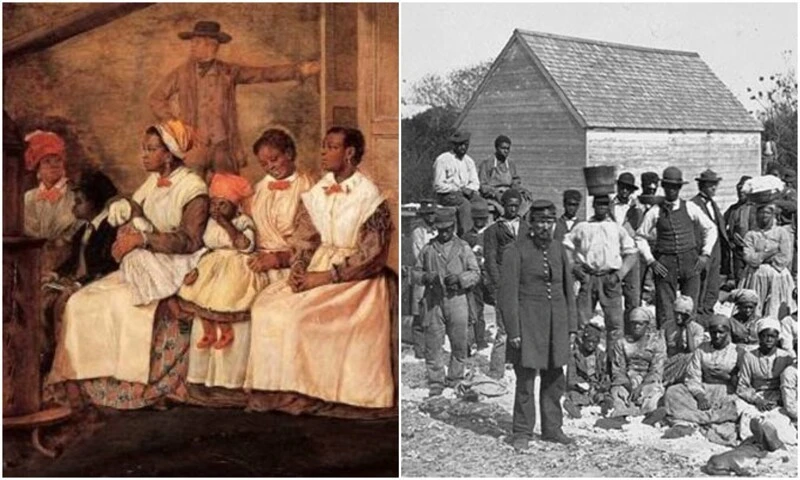
1. Every Southerner owned slaves 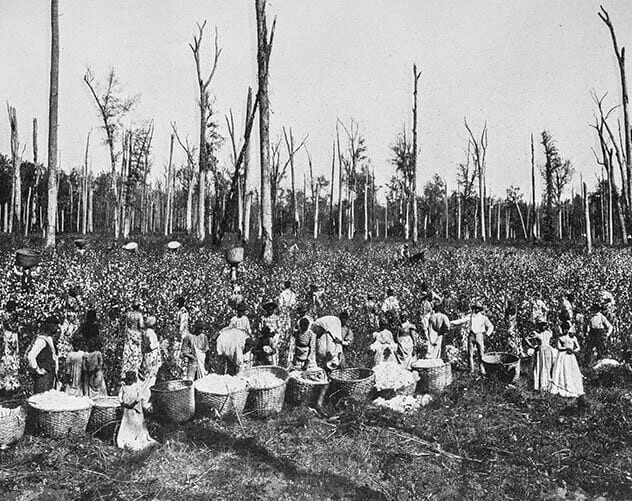
In reality, the majority of Southerners did not own slaves. According to the 1860 census, Mississippi and South Carolina had the highest slaveholding rates, with 49% of their populations owning slaves. In Texas, slavery was legal for only twenty years, from 1845 to 1865. Yet by 1860, 27% of Texans owned 182,566 slaves. What's more, that 27% held 68% of public offices. Owning slaves at the time was synonymous with wealth and status—while mostly held by officials, many families aspired to reach that same standing.
2. Enslaved people were brought from all over Africa 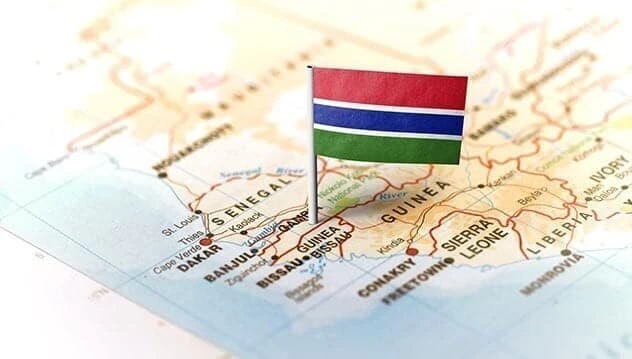
Between the 16th and 19th centuries, an estimated 12 million Africans were brought to the Americas. At the height of the slave trade, one in six enslaved people originated from Senegambia, a region comprising the West African nations of Senegal and The Gambia. Overall, about a quarter of all slaves came from this region. Another quarter came from West Central Africa—the area covering present-day Angola, the Republic of the Congo, and Gabon.
3. Enslaved people were brought exclusively to the US 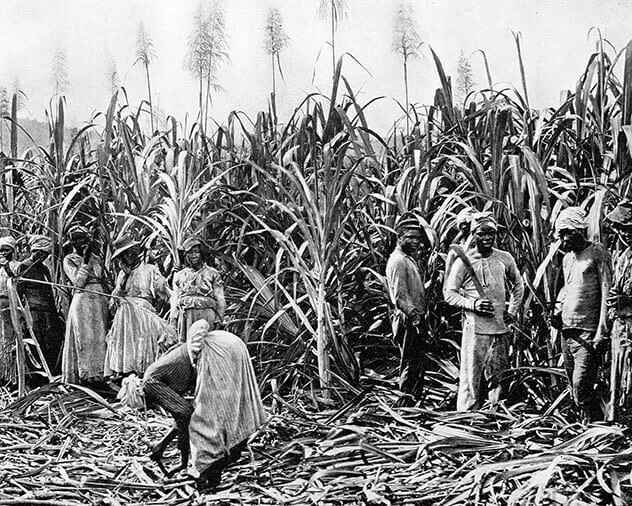
Around 388,000 enslaved Africans were brought to the United States, representing roughly 3.6% of the total transatlantic trade. This is a tiny fraction compared to the number sent to South America and the Caribbean. Brazil alone received 4.8 million people to labor in gold mines and on sugar plantations. Another 1.2 million were sent to Jamaica.
4. Only Southern states hesitated to abolish slavery 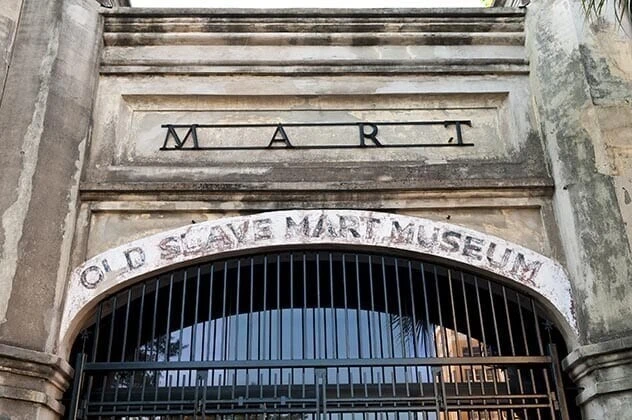
In 1776, slavery was legal in all 13 North American colonies. Slave labor played a vital role in building infrastructure (including the city of Boston), with enslaved people working in homes and on farms. Abolition laws began emerging in 1804. While Southern states famously resisted these measures, Northern states didn't free enslaved people overnight either—emancipation was enacted gradually to prevent public backlash. In New York, for example, a law classified children born to enslaved mothers as indentured servants until they reached adulthood.
5. All enslaved people worked in rural areas 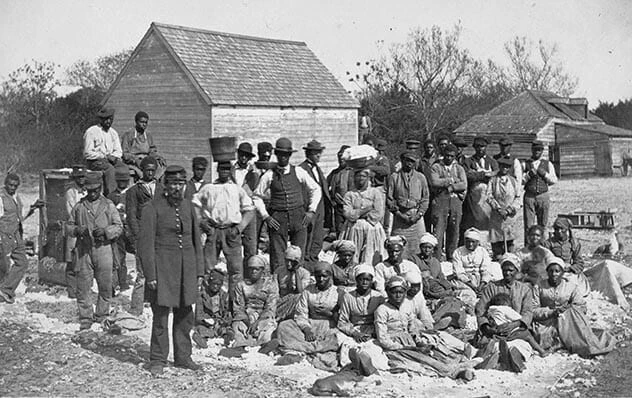
While the vast majority worked in agriculture—primarily on cotton, tobacco, and rice farms—about 10% lived and worked in cities. They held a wide variety of jobs, serving as everything from firefighters and railroad workers to blacksmiths. In some instances, plantation workers were permitted to move to cities seasonally to earn money. The majority of urban enslaved people were women working as domestic servants. Wealthy households often kept several, though even middle-class families could afford an enslaved domestic worker.
6. Enslaved people had no free time 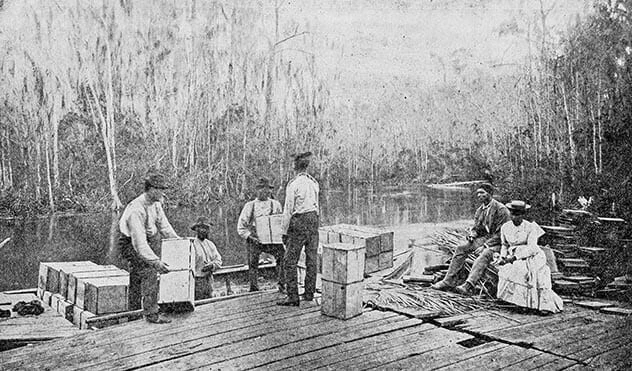
Free time varied depending on an enslaved person's role and workload. On South Carolina and Georgia rice and tobacco plantations, workers were assigned daily tasks—once a task was finished, the rest of the day was theirs to spend as they pleased. Some slaveholders granted days off and gave gifts of goods or cash. During holidays, slaveholders often hosted dances and sporting contests with food and drinks.
7. Enslaved people couldn't earn extra money 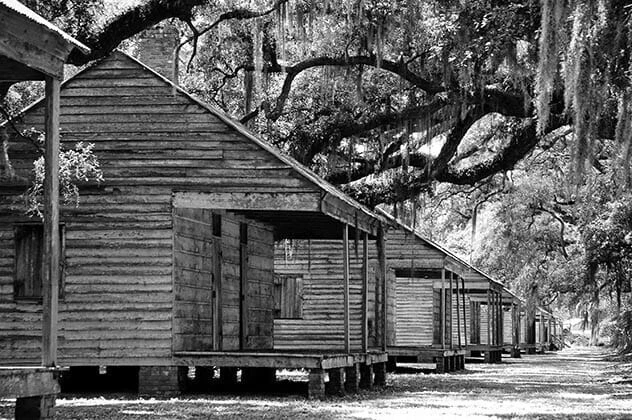
Enslaved individuals could sometimes earn extra income, particularly if they were trying to buy their freedom. Some enslavers implemented incentive systems allowing workers to perform additional labor for pay. This was especially common among skilled tradesmen. With their savings, many bought livestock or produced handicrafts to sell at local markets. They used these funds to buy food, cookware, clothing, toiletries, tobacco, and alcohol.
8. Enslaved people couldn't read 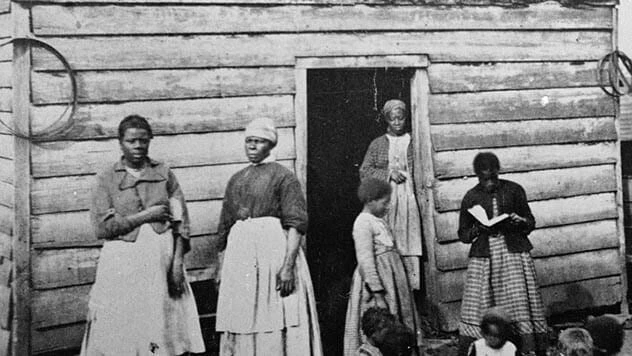
Following the 1804 Haitian Revolution—where literacy helped fuel history's only successful slave revolt—many American slaveholders grew alarmed. Most Southern states enacted anti-literacy laws prohibiting enslaved people from learning to read and write. However, these laws faced pushback. Some enslavers required literate workers for secretarial tasks, letter writing, and record-keeping. Baptist churches also opposed the restrictions, prioritizing the ability of enslaved people to read the Bible. As a result, many simply ignored the anti-literacy laws and continued teaching enslaved individuals to read.
9. All enslaved people were Christian 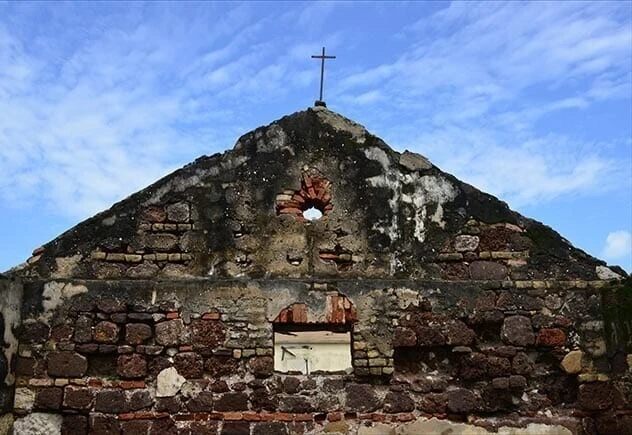
In the 1600s and 1700s, it was widely considered unethical for one Christian to enslave another. Consequently, many slaveholders not only discouraged conversion to Christianity but actively hid their fear that it might bolster the abolitionist movement. For this reason, some allowed enslaved people the freedom to practice whatever religion they chose. Conversely, other slaveholders promoted Christian conversion, believing Christian slaves made more obedient laborers.
10. Enslaved people lost all connection to their African roots 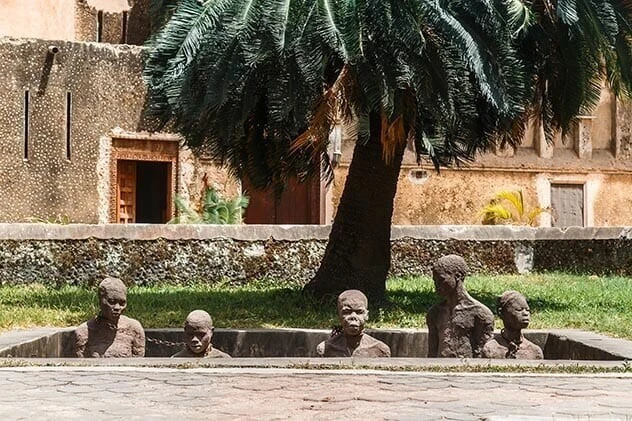
Many enslaved people held fast to their traditions, adapting them over time to fit American culture. They maintained ties with fellow Africans and preserved deep family values. They also carried on ancestral spiritual practices—for example, plantation "conjurers" or spiritual healers practiced traditional West African beliefs. For a fee, these practitioners offered ritual healings, exorcisms, or curses.
Add your comment
You might be interested in:












Why former slaves did not leave the US back to Africa (11
Three-Eyed Man Bill Durks (9 photos)
What happens if you drink radium for three years (7 photos)
A real witches' hammer: myths and truth about the medieval
The Accabadoras: Inside Europe’s Most Macabre Profession (7
10 bloodthirsty killers from the dawn of time to the Middle
"The British Pet Massacre": Why 750,000 Cats and
Innocent Victims: Largest Mass Child Burial Site Discovered
Frida Pushnik - half of herself (6 photos)

Colombians take matters into their own hands against a

The FEMEN Movement as We Remember It Before Breakup Rumors

Long-legged Freya Mayer

A real-life "Karate Kid"

A cat engages in a desperate fight with a coyote

A mother shields her child from being hit by a car

Aristeia resting

Two airplanes collided in mid-air

A young woman, refusing to accept a breakup, caused a scene