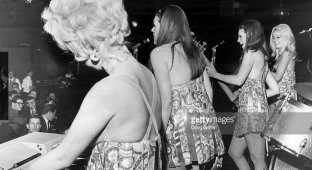
Sex, Gender, and Morality: The Untold History of Underwear (22 Photos)
Why do we wear underwear? Whether it's for health, hygiene, or simply keeping up with fashion trends, the evolution of undergarments has always been tied directly to broader cultural shifts in society.
Even so, bras and panties are still often treated as taboo and rarely brought up in polite conversation. That may well be because even the most practical and modest pairs carry an innate eroticism simply by virtue of what they are designed for. 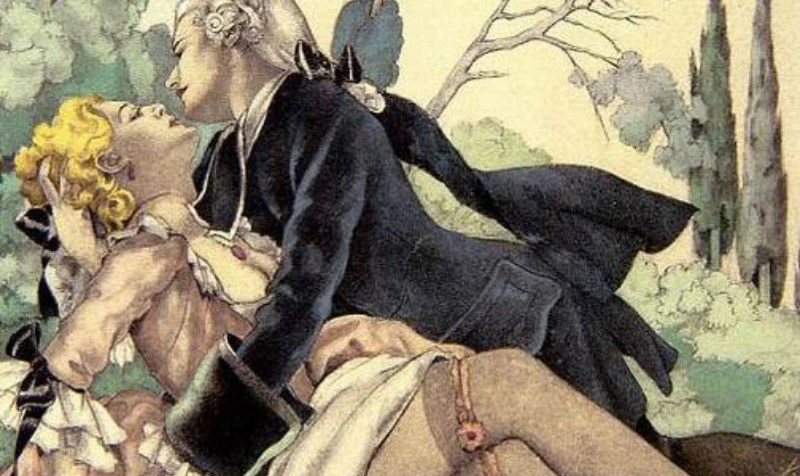
Here is a brief look at the history of underwear, from ancient times right up to the present day. 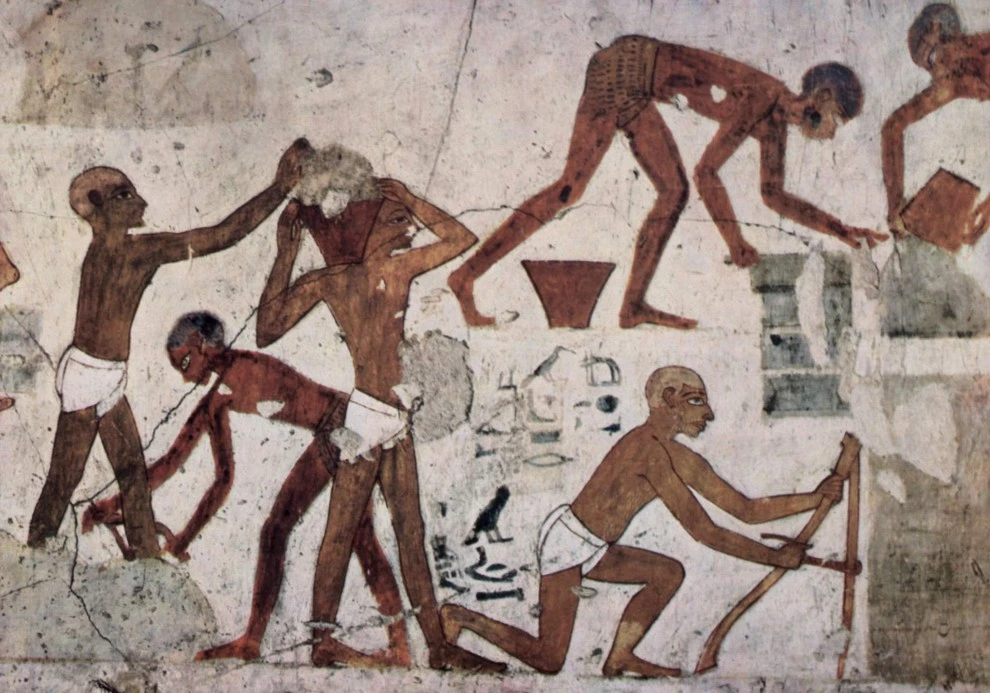
Underwear in the modern sense did not exist in antiquity. Its closest equivalent in both form and function was the loincloth. 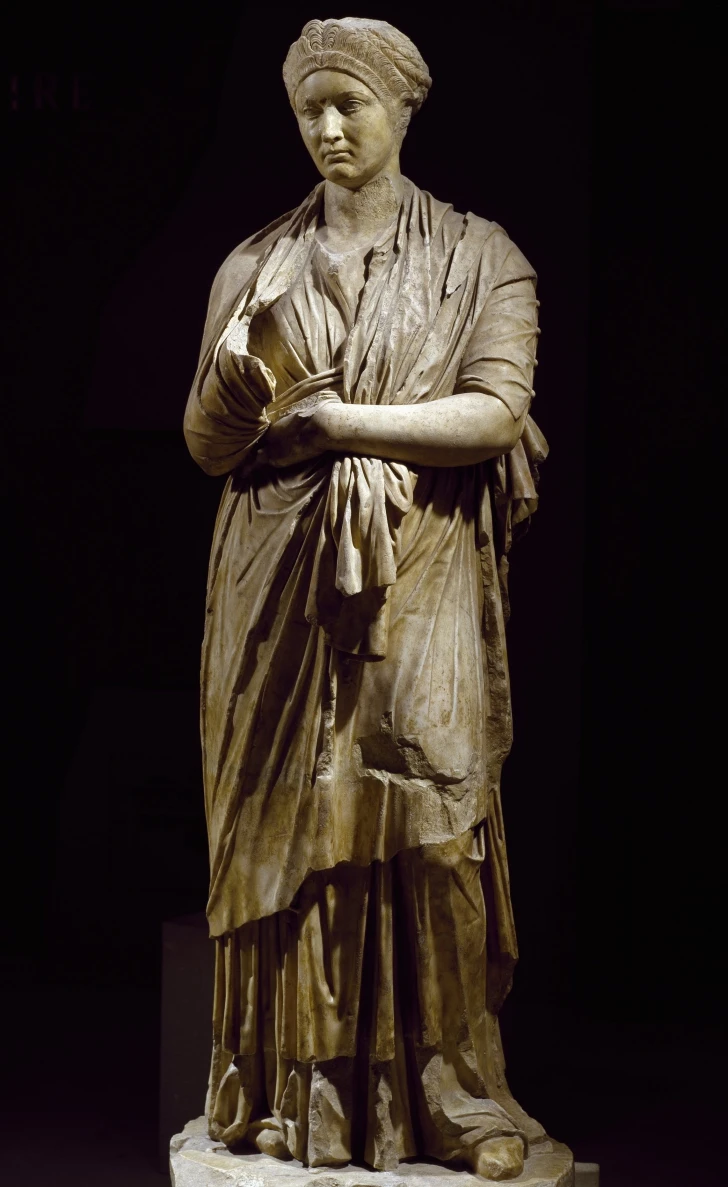
In ancient Rome, loincloths were not an essential part of everyday dress. Instead, the tunic served as an undergarment, over which Romans wore a cloak or toga. 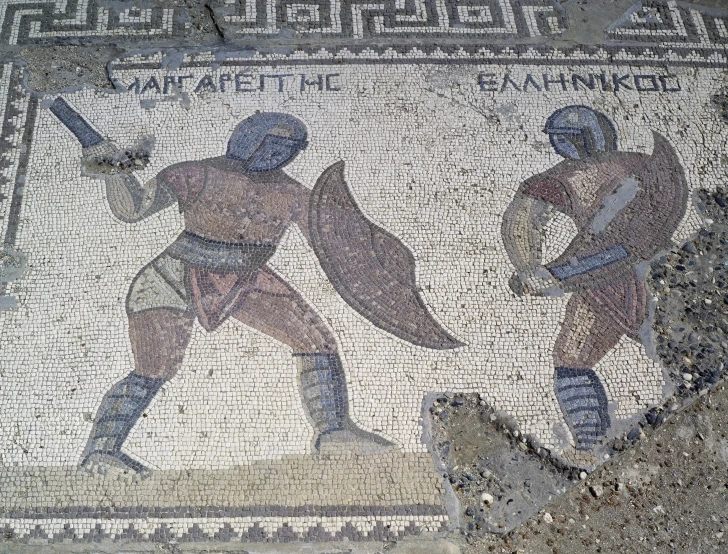
However, actors, public speakers (during public appearances), and gladiators wore a subligaculum—a loincloth made of leather. 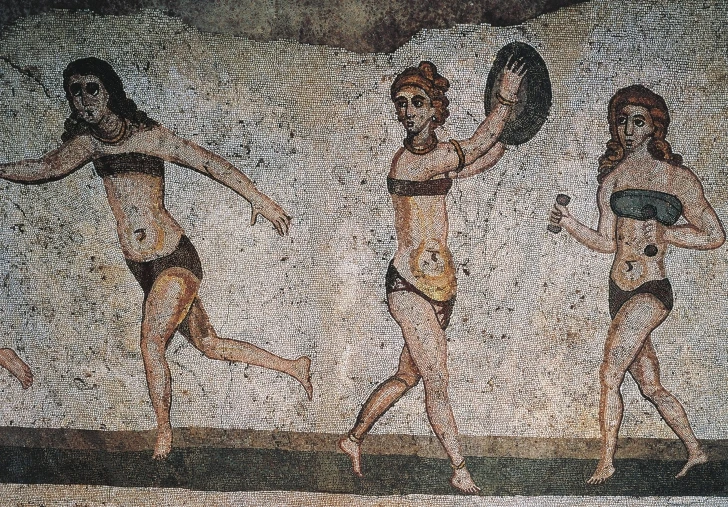
Ancient Roman women wore leather loincloths and a strophium—an early forerunner to the modern bra—when participating in sports. 
During the Middle Ages, linen drawers known as braies, secured with a drawstring, functioned as underwear. They were often worn beneath hose (chausses)—fitted leg coverings attached to a belt. 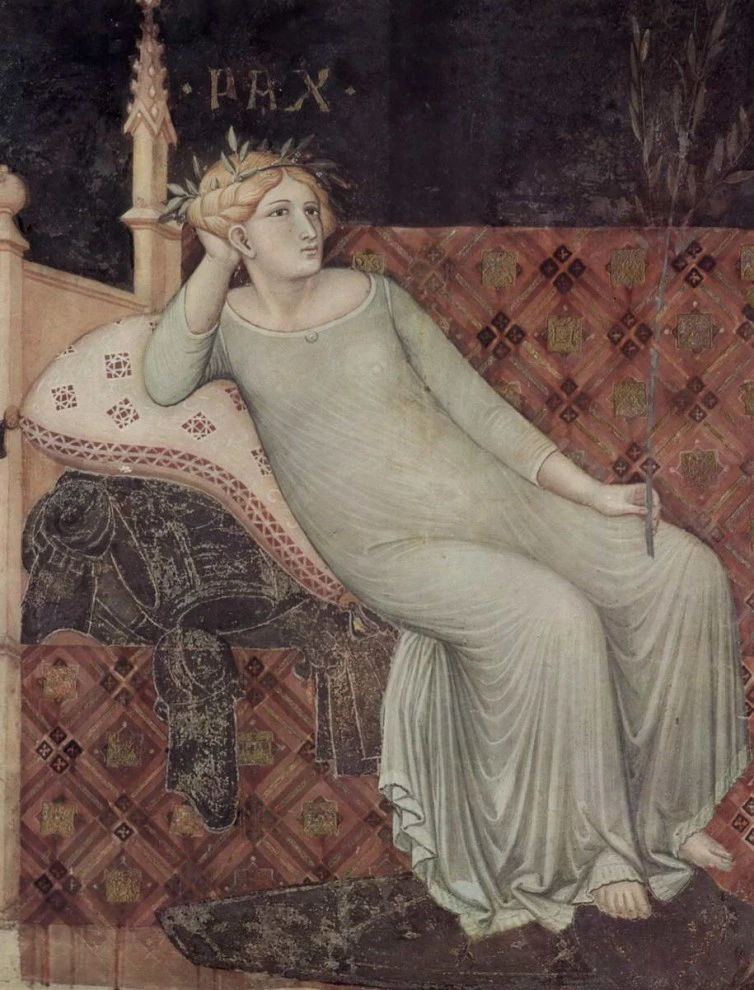
Men and women in medieval times also wore a chemise—a long, loose-fitting linen shirt worn next to the skin. 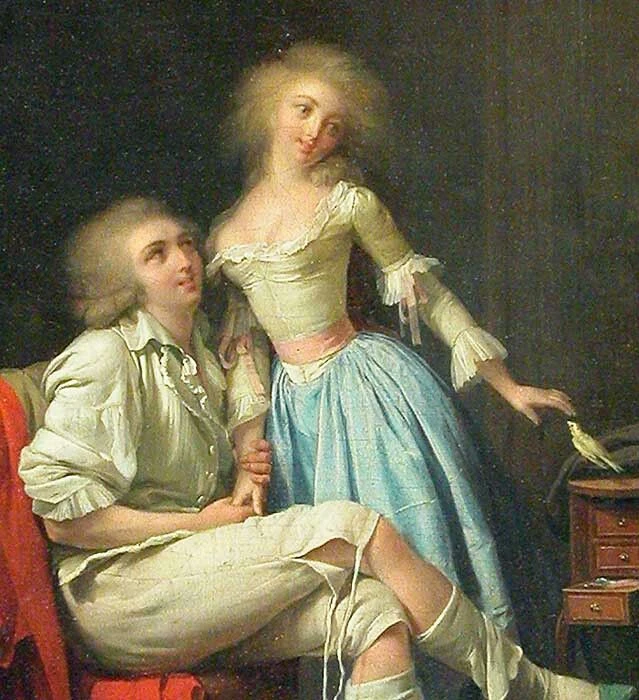
Long shirts and evolved drawers served as the standard undergarments during the Age of Enlightenment. 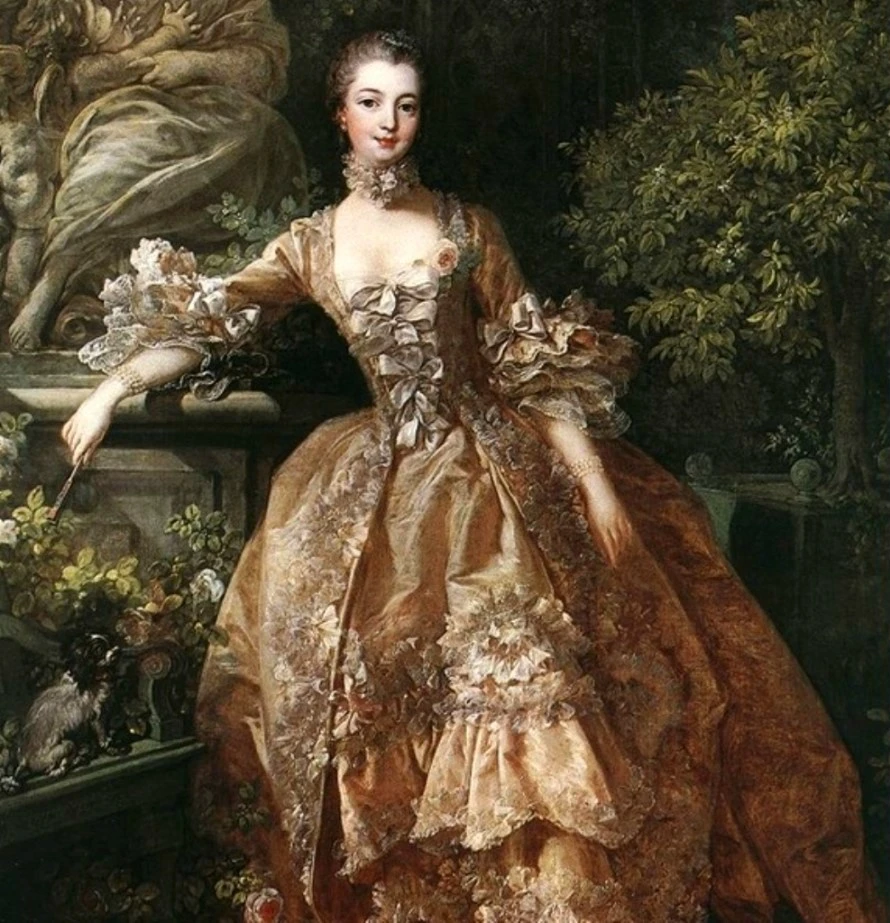
Corsets of all kinds became immensely popular among women. 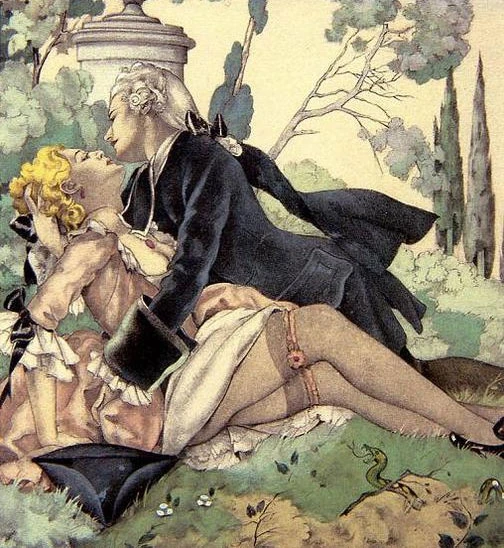
Some fashionable women of the era also wore stockings held up by garters. 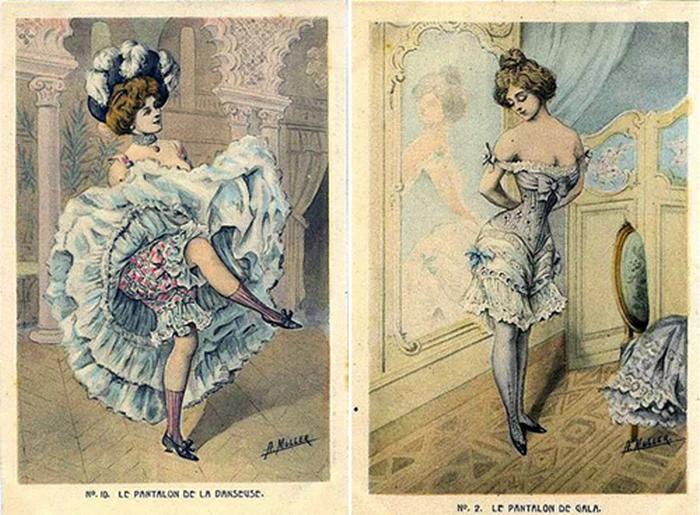
Yet drawers remained largely a staple of the male wardrobe, only becoming a regular part of women's undergarments by the 19th century. 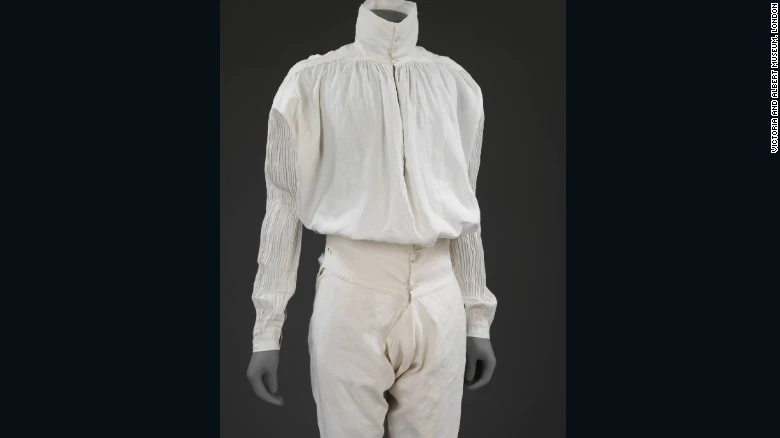
Men's linen shirt and drawers, Great Britain, 1775. 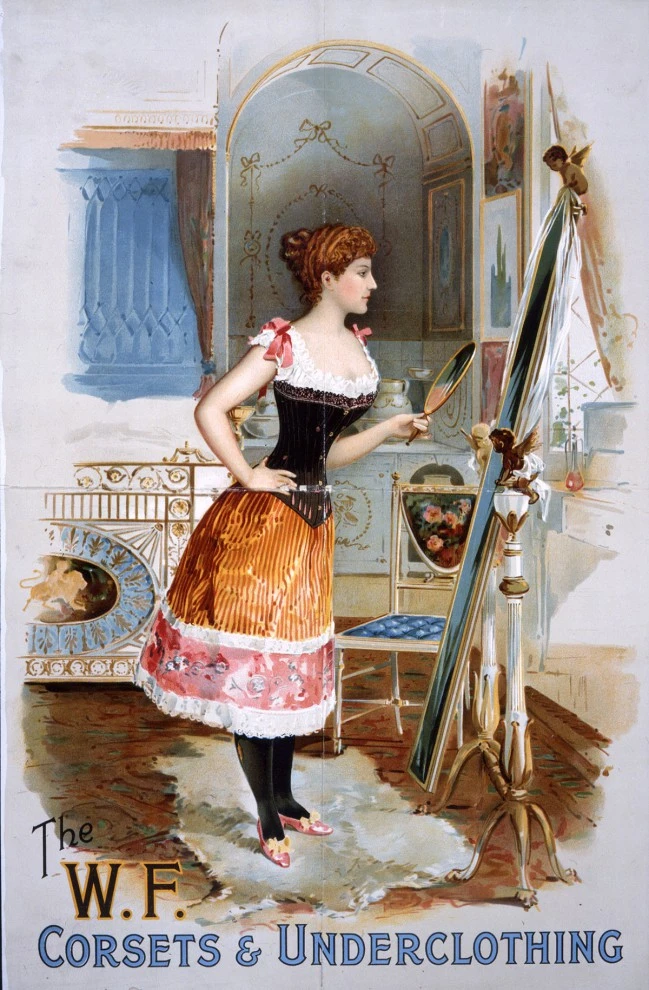
By the late 19th century, corsets and chemises had become more form-fitting and revealing. 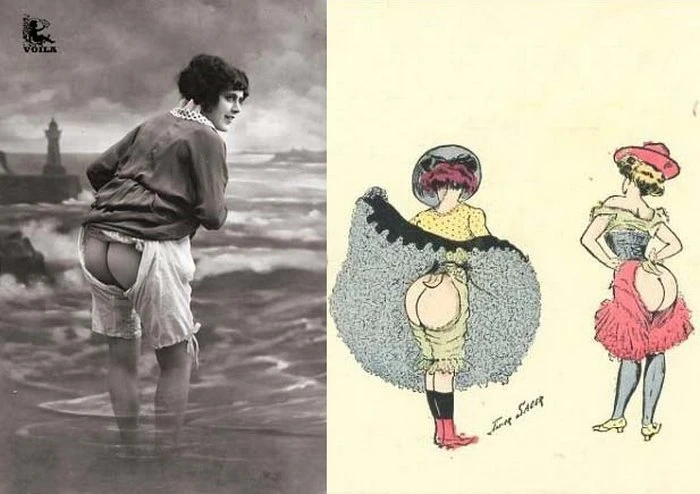
Drawers and bloomers were not far behind. 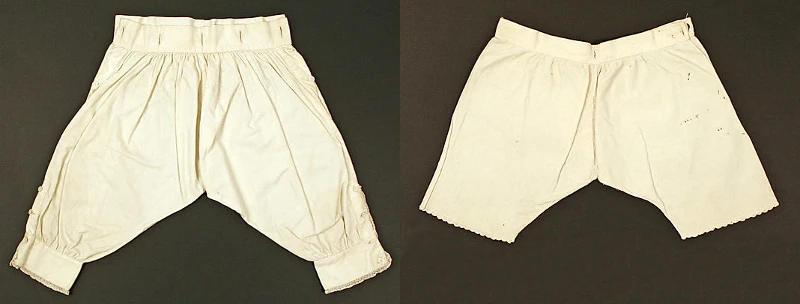
Various styles of long underwear grew popular among men. 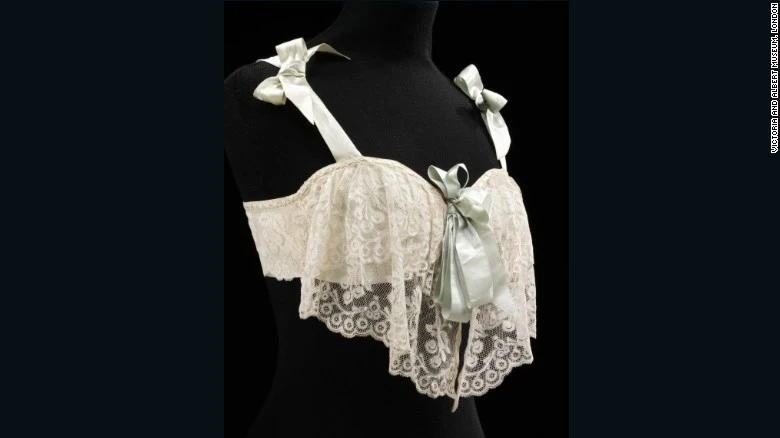
By the early 20th century, early prototypes of the modern bra—designed to support the bust and worn over a corset—gained traction among women. 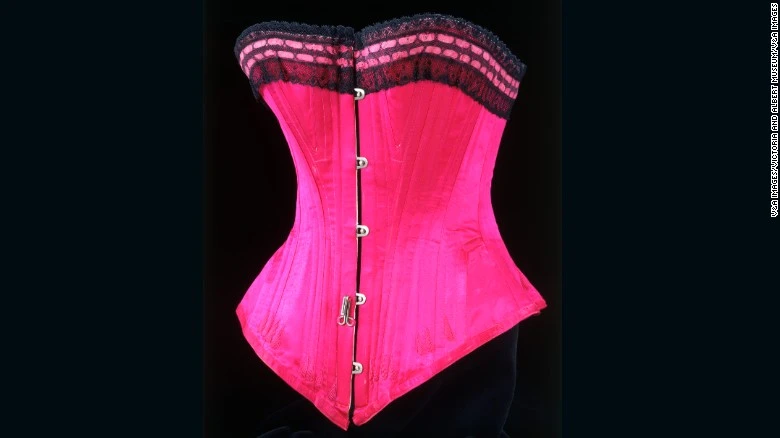
Corset, 1895. 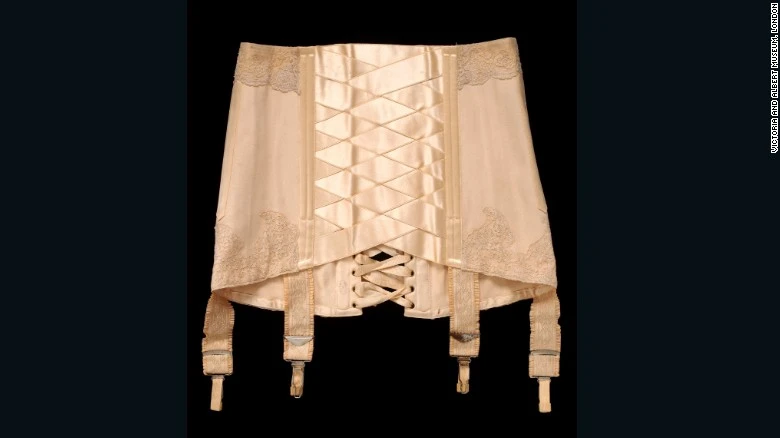
Cotton corset, 1914. 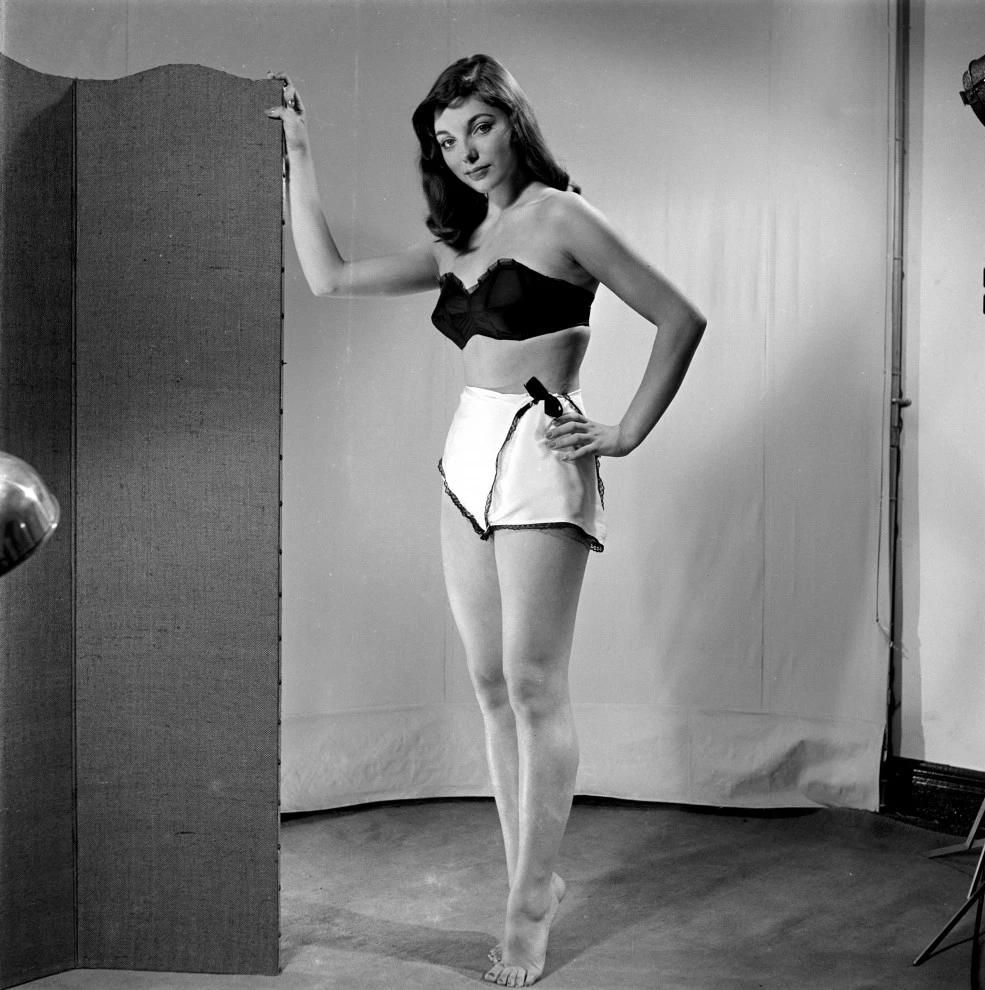
Women's lingerie in the mid-1940s and 1950s struck a balance between modern aesthetic sensibilities and practical utility. 
The mid-20th century marked a turning point in the history of underwear. The sexual revolution and shifting social attitudes reshaped how intimate apparel was viewed: bra and panty designs grew increasingly revealing, often prioritizing allure over practical function. 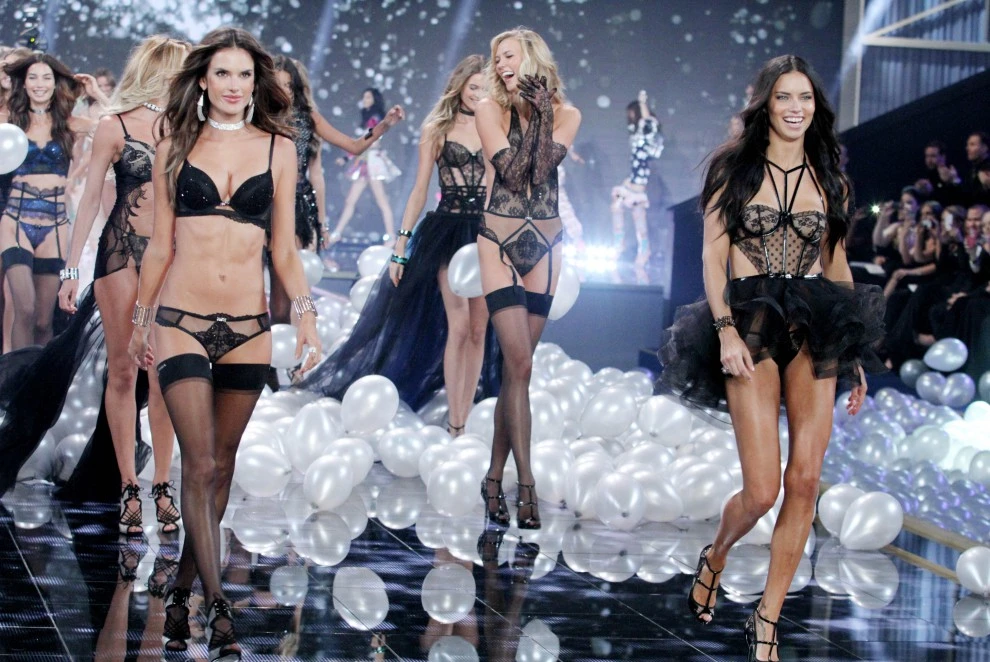
Models wearing lingerie from the world-famous brand Victoria's Secret. 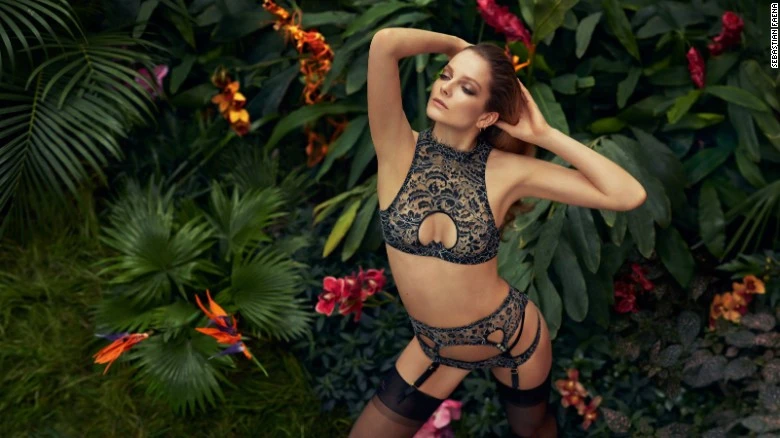
The Tamila lingerie set from the Soirée collection by the renowned brand Agent Provocateur.