15 Surprising Facts About Stripping That Will Blow Your Mind (16 photos)
Stripping is one of the most passionate and provocative dance forms out there, long favored by male audiences. Yet many people still dismiss it as vulgar or taboo, often conflating dancers with sex workers. We’re here to bust those stereotypes with 15 fascinating facts about life inside adult clubs—and a few of them might just blow your mind… 
Stripping Is Rarely a Full-Time Job 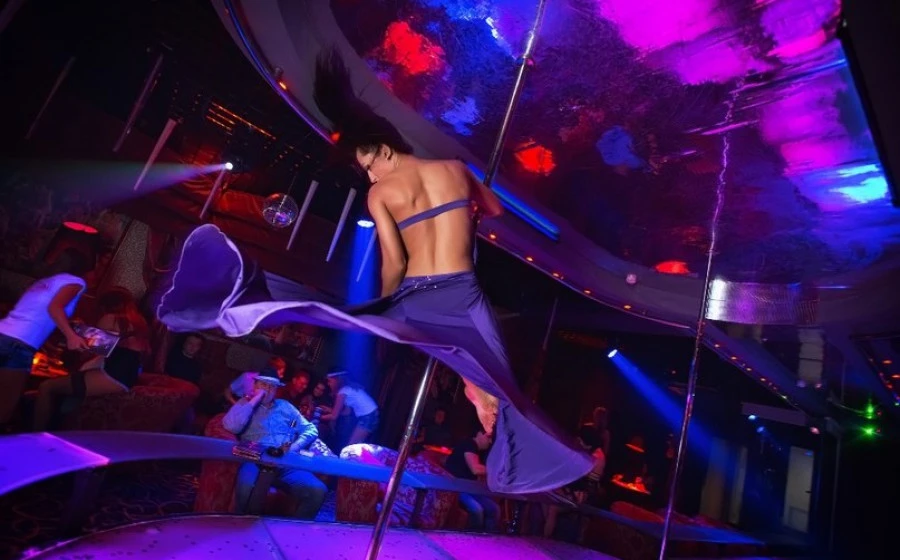
Statistics show that over half of all dancers—especially in the US and Europe—balance stripping with a day job. Many are college students using the income to put themselves through school.
In the UK, one in four dancers either holds a university degree or is currently enrolled in higher education.
Americans Love Strip Clubs 
People in the US are among the biggest fans of the art form. In fact, Americans visit strip clubs more frequently than they go to theaters, museums, or movie cinemas.
Stripping as a Side Hobby 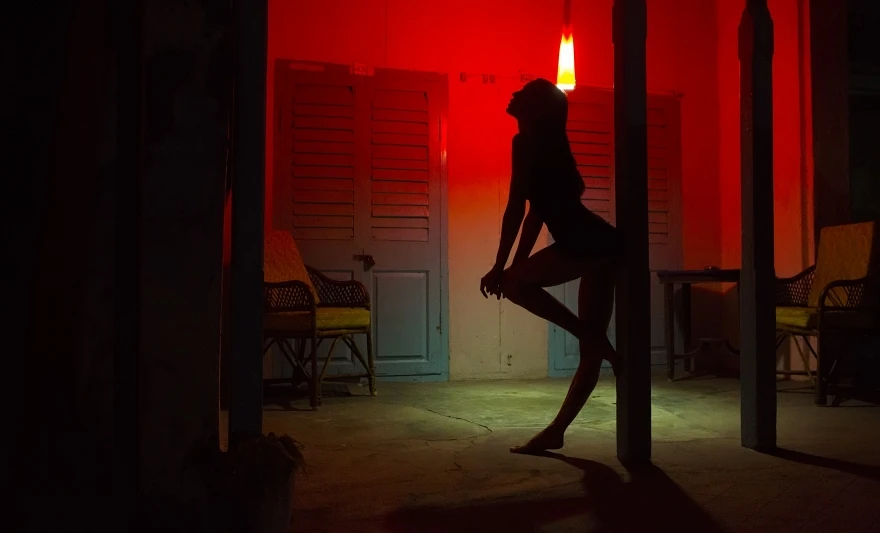
For many dancers, stripping is more than just extra cash. Spending a couple of nights performing for an appreciative crowd offers a thrilling adrenaline rush and a welcome break from their routine 9-to-5s.
In everyday life, an exotic dancer could easily be a schoolteacher or a corporate accountant.
Stripping Might Help You Live Longer 
German researcher Karen Weatherby conducted a multi-year study comparing two groups of men: regulars at strip clubs versus non-attendees. The findings suggested that men who occasionally enjoyed a night out at an adult club experienced significantly fewer health issues.
Relationships Beyond the Stage 
Surveys indicate that roughly one in five female dancers connects with clients outside the club in more intimate settings. For male dancers, that figure is dramatically higher: three out of four male strippers are open to earning extra money by spending private time with female clients.
Stripper Heels Are Surprisingly Comfortable 
Looking at those sky-high stilettos, you might wonder how anyone walks in them, let alone dances. Yet performers insist they’re actually quite comfortable, thanks to the angled platform design. Industry veterans note that a higher platform makes moves appear much smoother and more graceful.
The Pole Is a Serious Athletic Tool 
Pole dancing made its nightclub debut in the 20th century, quickly becoming a crowd favorite. Before that, poles were used mainly by circus performers and for general fitness conditioning. Contrary to popular belief, pole routines demand serious core strength and physical endurance.
Today, pole work has expanded far beyond stripping into pole dance as a recognized sport and art form, where performers of all genders showcase complex choreography without stripping.
Strippers Have Their Own Professional Holiday 
Few people realize that on February 9—when many celebrate Aviation Day—strippers around the globe mark their own professional holiday. The tradition dates back to 1893, when a Moulin Rouge performer named Mona stripped naked onstage. The stunt scandalized the audience and earned her a 100-franc fine for indecent behavior—a hefty sum at the time.
The Most Famous (and Largest) Strip Clubs 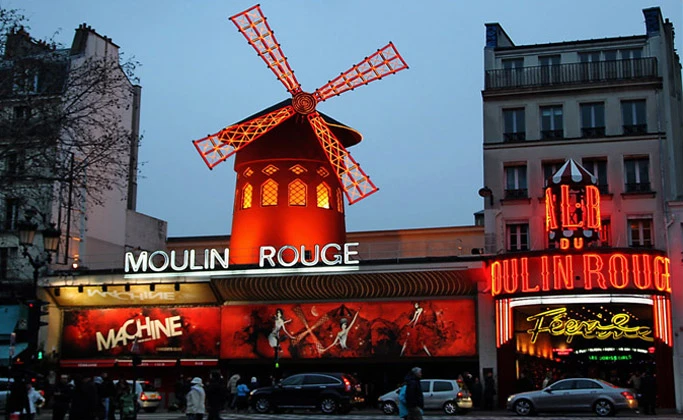
In 1889, entrepreneurs Joseph Oller and Charles Zidler took a gamble buying the dilapidated "White Queen" dance hall in Paris's gritty Pigalle district. Within a year, they completely renovated the space into the now-world-famous Moulin Rouge cabaret.
It was here that the modern can-can was born, paving the way for stripping. As mentioned, the bold performer Mona was the first to strip on stage. Though controversial at first, word spread like wildfire across France, launching a whole new genre of entertainment.
As for the world's largest strip club, that title belongs to Sapphire Gentlemen’s Club in Las Vegas, which boasts a roster of over 400 dancers.
Age Is Just a Number 
The average age of a female stripper is 24, though plenty of dancers thrive well into their 30s and beyond. In this business, charisma, fitness, and stage presence matter far more than the number on your ID.
The same goes for male dancers, though they remain a minority—statistically, female dancers make up nine out of ten club performers.
The Highest-Paid Striptease in History 
Nightclub performers rarely struggle financially; top dancers can earn up to €100,000 a year.
However, the single highest-paid striptease in history belongs to Demi Moore for her role in the 1996 film
Striptease
. The actress netted a cool $12 million paycheck for the performance. Ironically, the movie bombed with critics, sweeping six Razzie Awards upon release and picking up another for "Worst Picture of the Decade" in 2000.
Marriage and the Job 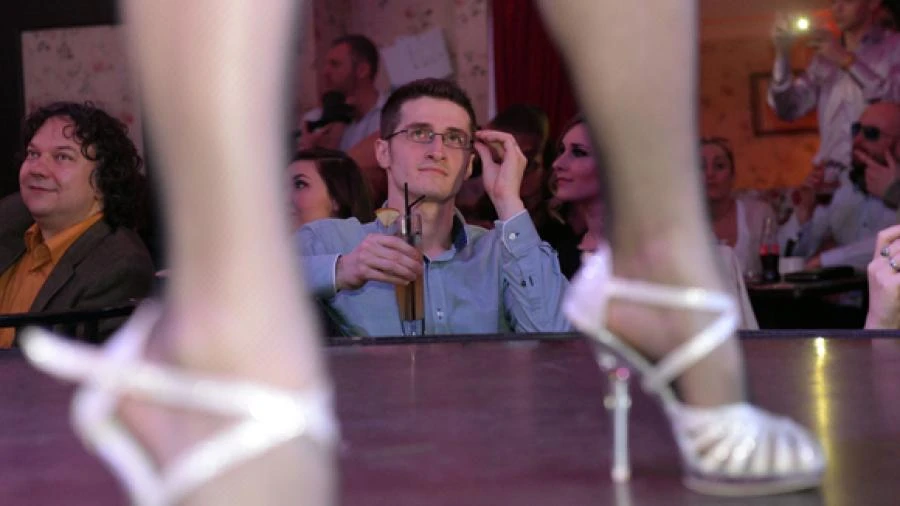
Many believe that stripping and marriage don't mix, and stats back that up—few partners easily tolerate dozens of lustful eyes on their spouse every night.
Only about one in ten dancers is legally married. Some hide their profession from significant others, though secrets rarely stay hidden forever.
How Different Countries View Adult Clubs 
The Netherlands boasts the highest density of strip clubs, with Amsterdam alone housing over 200 venues. These clubs cater to highly specific niches—featuring plus-size performers, little people, or older women. Targeting niche audiences helps clubs stand out in a fierce market.
In Germany, "anti-strip" venues have gained popularity. Instead of taking clothes off, dancers put layers
on
to music in playful, relaxed routines.
Meanwhile, Iceland banned strip clubs entirely in 2010, making adult entertainment virtually nonexistent for visitors seeking a night out.
Tax Deductions for Breast Augmentation 
It's no surprise that dancers invest heavily in their appearance, given that it's their primary asset. In the US, the tax system even recognizes this reality: under certain circumstances, dancers have successfully claimed breast augmentation surgery as a tax-deductible business expense.
Funeral Strippers in Asia 
In parts of China, there's an unusual tradition of hiring strippers for funerals to boost attendance. According to local belief, a large turnout brings good fortune to the deceased in the afterlife.
The custom originated among local gang circles before spreading to the broader public. Although officially banned in the 1980s, the practice continues under the radar. A high-profile case occurred in Taiwan in 2015, when a widow hired two dancers for her late husband's memorial to ensure he got an unforgettable send-off.