"Household Deer": How Rat Dishes Became Traditional Fare Around the World (7 photos)
To most of us, eating rats sounds like a desperate measure born of starvation—a last resort for shipwrecked sailors, besieged fortresses, or populations stricken by famine and war. But in some cultures, rat meat isn't an emergency ration at all; it's a staple ingredient. People cook it not out of desperation, but because it is a long-standing part of the local culinary tradition. 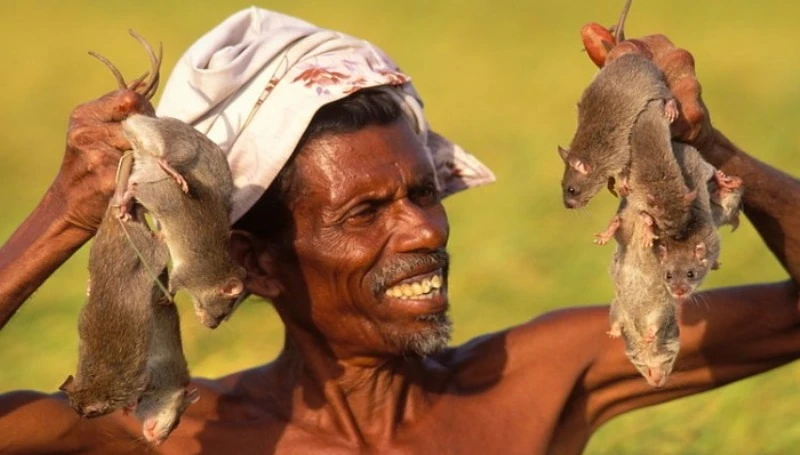
Adi Rat Stew
The Adi people have a curious saying: "No rats, no festival." Where does it come from? The Adi live in the Himalayan foothills of Arunachal Pradesh, India. They are divided into small communities, each with its own dialect and customs, yet they share a rich cultural heritage. Every year, for instance, all Adi celebrate Aran—a spring festival marking the rebirth of nature. 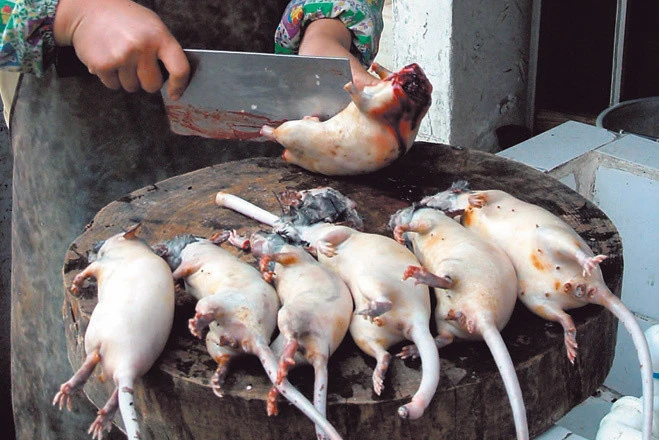
Festive fare
During the festival, the Adi perform religious rites, sing, dance, and make merry. Naturally, a grand feast is central to the celebrations. The centerpiece of the table is
bul-bulak oing
—a spicy stew made from rat entrails, paws, and tails, simmered with ginger and local spices. While served on other occasions as well, it is considered absolute essential for Aran and prepared in massive quantities.
The Adi hold rats in high regard. Considered a delicacy, they are prized gifts during celebrations. On a child's birthday, custom dictates giving them two rats—skinned and gutted. At weddings, the groom is expected to present a pair of rats to his bride's parents as a token of gratitude for raising her. It's easy to see why rats are so strongly tied to celebration in Adi culture.
The Untouchables and Grilled Rats
Elsewhere in India, members of the Dalit community—historically known as the "untouchables"—eat whatever satisfies their hunger. Living in extreme poverty, their sole possession is often just a loincloth. For many Dalits, rats serve as a crucial source of protein and the only meat they can afford. 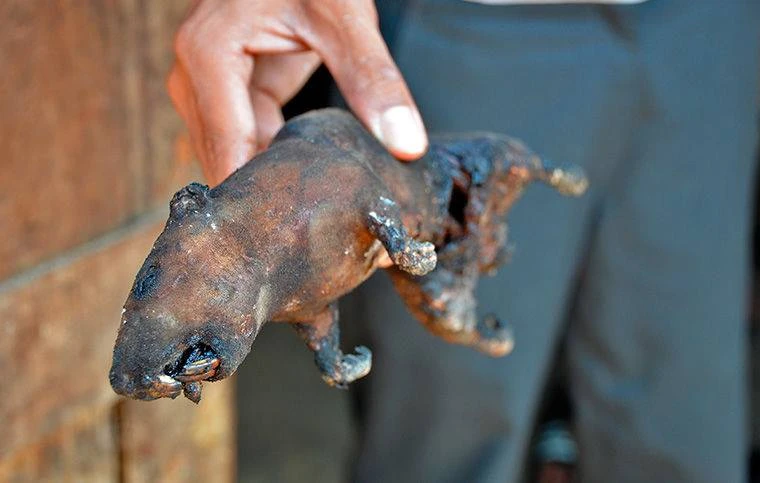
Many Dalits reside in urban slums overrun with rodents, where catching a rat and roasting it over an open fire is simple enough. Though derogatorily dubbed "rat-eaters" by some, they pay little mind to the insult. In fact, some take jobs guarding fields or warehouses specifically for the privilege of hunting the rodents hiding inside.
The preparation is straightforward: the whole rat is cooked without skinning. The rodents are roasted over a grill or spit with their fur still on. Daring travelers who have ventured to try it often come away pleasantly surprised. According to them, the charred fur adds a smoky bitterness, but the meat itself is tender and flavorful. That said, it remains a risky bite for tourists, carrying a high risk of diseases and parasites.
Rat Farms of Cameroon
Rat meat is also popular in parts of Africa. But unlike in India, where rats are gathered using traditional hunting methods, Cameroon has built an entire commercial farming industry around them. Near the capital city of Yaoundé sit the largest captive rat farms on the continent. 
Cane rat
These farms don't raise common city rats, but rather cane rats—formidable creatures known for their impressive size and feisty temperament. Cameroonians prize cane rat meat even more than chicken or rabbit. To turn it into a true luxury item, the animals are meticulously cared for and fattened up, making farm-raised cane rat quite expensive.
A captive cane rat can reach up to 60 cm in length and weigh between 6 and 8 kg. In the wild, these herbivores inhabit the marshy forests of Central and Eastern Africa. They get their name from their fond appetite for bamboo shoots and sugarcane. Their meat is known for its tender flavor and high protein content.
Chinese Peasants' "Household Deer"
Chinese cuisine is famous for its culinary adventurousness, featuring virtually any creature imaginable—and rats are no exception. According to ancient chronicles, during the Tang Dynasty (prior to 900 AD), these rodents were served even at the imperial court. 
In Asia, roasted rat is common street food
At the royal table, however, only hairless newborn rats were prepared, roasted whole in honey and eaten with chopsticks. While the dish eventually vanished from palace menus, common folk kept the tradition alive, eating both young and adult rodents. In certain regions of China, rat meat remains popular to this day. Intriguingly, locals sometimes refer to them as "household deer"—a euphemism that perhaps makes the dish sound a bit more appetizing.
An Acquired Taste...
Researchers studying global dietary habits have noted that in parts of Asia, Africa, Oceania, Australia, and New Zealand, eating rodents isn't driven by famine. Rather, local populations simply don't view them as dirty or taboo. In these regions, rats are viewed much like rabbits or nutria in the West. Far from revolting people, their meat is preferred by many over pork or beef. 
As for taste, first-time eaters report mixed experiences. Some find it unremarkable, while others are pleasantly surprised. The flavor profile largely depends on the animal's diet, fat content, and method of preparation.
Many compare the flavor to chicken or rabbit, while grain-fed bamboo rats are said to taste similar to mutton. City-dwelling street rats are considered the least appetizing, as their meat tends to be tough and gamey. Crucially, wild rats can carry serious diseases, including the plague—a risk that remains particularly relevant in countries like India where plague outbreaks still occur. 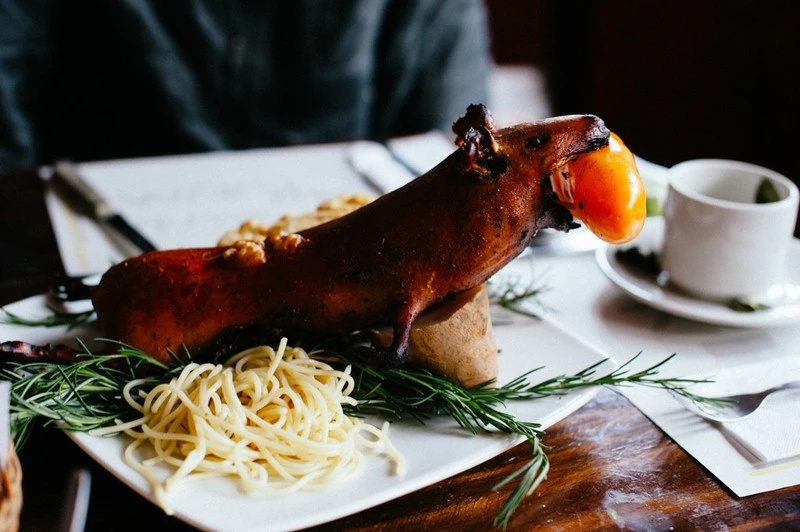
Looking at these culinary traditions raises a question: would you be willing to try a rat dish if it were properly prepared and considered a local delicacy? Or would cultural taboos win out over curiosity? Let us know your thoughts in the comments!